Dr Ramesh Makam

What Causes Hernias? Root Triggers, Risk Factors, and Modern Recovery Pathways

Introduction

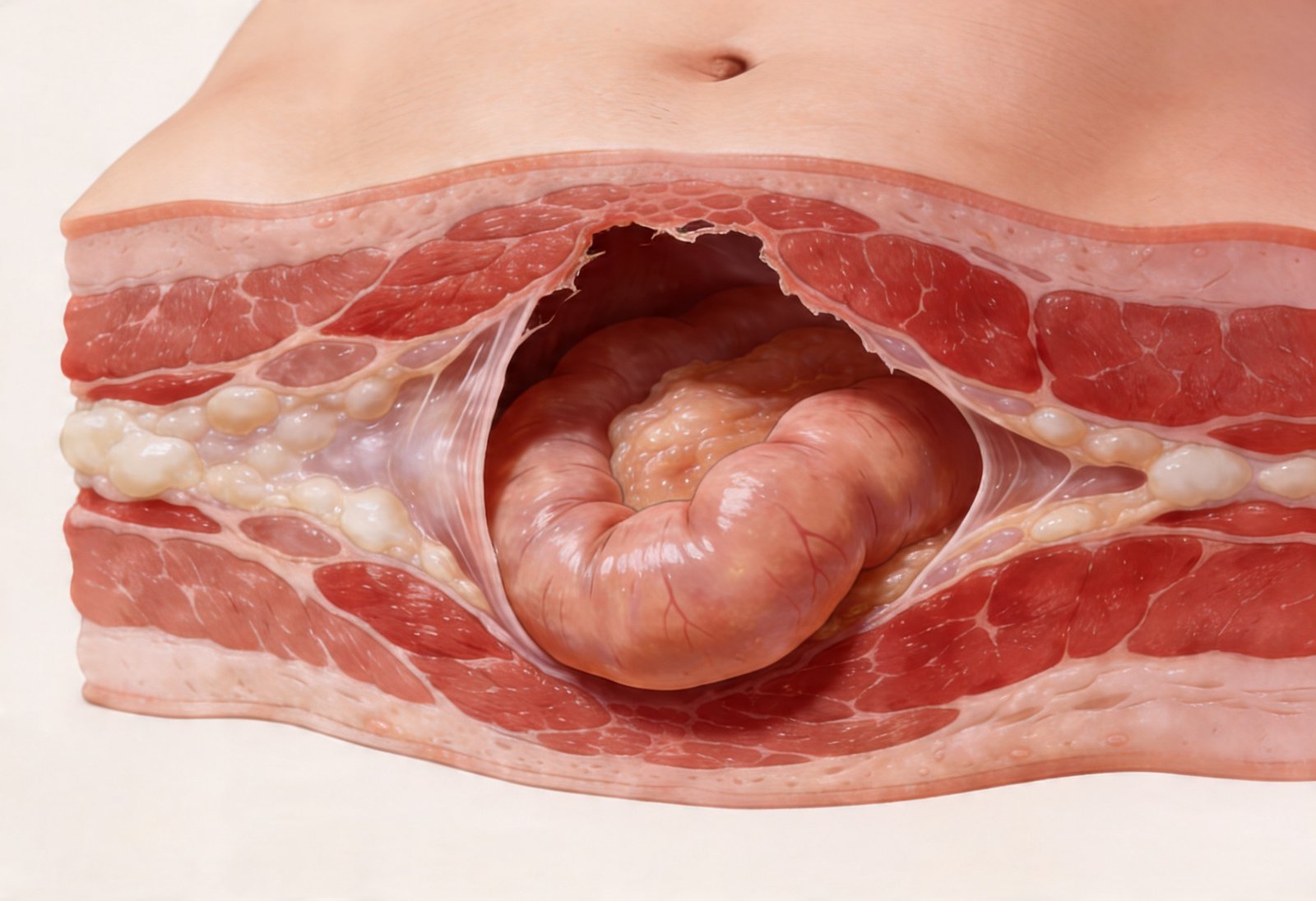
A hernia develops when an internal organ or fatty tissue pushes through a weak area in the muscle or fascia that normally holds it in place. While it often appears as a simple bulge, a hernia is actually a structural failure of the abdominal wall.

Globally, more than 20 million hernia repairs are performed annually. In India, hernia incidence has steadily increased over the past three decades due to demographic shifts, obesity, manual labor demands, and rising rates of chronic respiratory conditions.

Understanding what causes hernias requires looking at two fundamental mechanisms:

  1. Weakness in the abdominal wall
  2. Increased pressure inside the abdomen

When these two forces intersect, herniation occurs.

Understanding the Anatomy Behind Hernia Formation

The abdominal wall is composed of multiple muscle layers reinforced by strong connective tissue (fascia). Certain areas are naturally weaker:

  • Inguinal canal (groin)
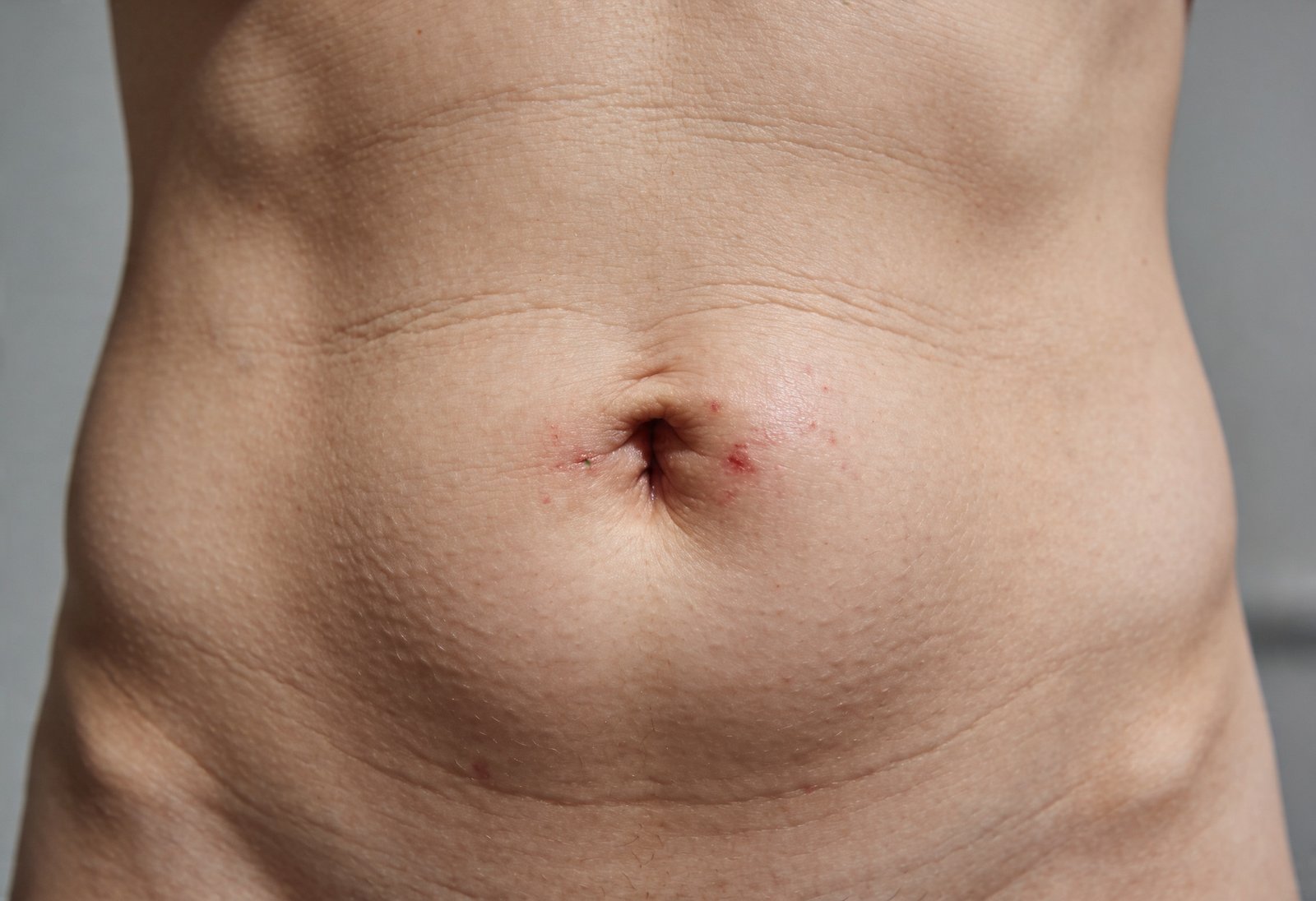
  • Umbilical ring (navel)
  • Diaphragmatic hiatus (hiatal region)
  • Previous surgical scars

These sites are common locations for hernia formation.

The Core Mechanism: The Pressure-Weakness Model

Hernias typically develop due to a combination of:

1. Muscle or Fascial Weakness

This may be:

  • Congenital (present at birth)
  • Age-related degeneration
  • Collagen metabolism defects
  • Post-surgical scar weakness

2. Increased Intra-Abdominal Pressure

Pressure spikes occur during:

  • Heavy lifting
  • Chronic coughing
  • Constipation and straining
  • Pregnancy
  • Obesity

Over time, repeated pressure pushes internal tissue through weak spots.

Major Causes of Hernias

1. Congenital Weakness

Some individuals are born with structural openings that fail to close properly.

Example:

  • Patent processus vaginalis leading to indirect inguinal hernia.

This is especially common in male patients.

2. Aging and Tissue Degeneration

As we age:

  • Muscle mass decreases (sarcopenia)
  • Collagen becomes less resilient
  • Connective tissue strength declines

This increases susceptibility to direct inguinal and ventral hernias.

3. Obesity

Excess abdominal fat:

  • Creates constant internal pressure
  • Stretches abdominal fascia
  • Increases inflammation

Urban Indian populations have shown a rise in umbilical and ventral hernias linked to central obesity.

4. Heavy Lifting

Incorrect lifting technique significantly increases hernia risk.

Bending from the waist instead of the knees directs force to the lower abdominal wall. Agricultural laborers, construction workers, and gym users are particularly at risk.

5. Chronic Cough

Persistent coughing caused by:

  • Smoking
  • COPD
  • Asthma
  • Chronic bronchitis

Repeated pressure surges weaken groin structures over time.

6. Chronic Constipation

Frequent straining during bowel movements repeatedly increases intra-abdominal pressure, contributing to inguinal and umbilical hernias.

7. Pregnancy

Pregnancy causes:

  • Mechanical stretching of abdominal muscles
  • Hormonal softening of connective tissue
  • Increased intra-abdominal pressure

Umbilical and femoral hernias are more common in women post-pregnancy.

8. Previous Surgery (Incisional Hernia)

Surgical scars are inherently weaker than original tissue. If healing is compromised by:

  • Infection
  • Poor nutrition
  • Diabetes
  • Smoking

An incisional hernia may develop.

Types of Hernias and Their Common Triggers

Type

Location

Common Causes

Inguinal

Groin

Aging, lifting, congenital weakness

Femoral

Below groin

Pregnancy, aging

Umbilical

Navel

Obesity, pregnancy

Hiatal

Diapagm

Chronic pressure, aging

Ventral

Midline

Muscle weakness

Incisional

Surgical scar

Poor wound healing

Who Is at Highest Risk?

High-risk groups include:

  • Men (lifetime risk up to 27%)
  • Individuals with family history
  • Smokers
  • Obese individuals
  • Manual laborers
  • Patients with chronic cough
  • People with prior abdominal surgery

In rural India, hernia prevalence is significantly higher among agricultural workers due to physical strain.

Symptoms of Hernia

Common Signs

  • Visible bulge
  • Pressure or heaviness
  • Dull aching in groin
  • Discomfort after lifting
  • Burning sensation

Hiatal hernias may present with:

  • Acid reflux
  • Chest discomfort
  • Difficulty swallowing

Emergency Red Flags

Seek urgent care if:

  • Sudden severe pain develops
  • Bulge becomes hard and tender
  • Skin turns red or purple
  • Vomiting and bloating occur
  • Inability to pass gas or stool

These signs suggest strangulation, a surgical emergency.

Diagnosis

Diagnosis involves:

  • Physical examination
  • Valsalva maneuver
  • Ultrasound
  • CT scan for complex cases
  • MRI for occult groin pain

Women often require imaging due to subtle presentation.

Can a Hernia Heal Without Surgery?

No.

A hernia is a mechanical defect. It does not close with:

  • Exercise
  • Medication
  • Hernia belts
  • Ayurveda
  • Physiotherapy

While lifestyle changes reduce progression, surgery is the only definitive cure.

Modern Treatment Pathways

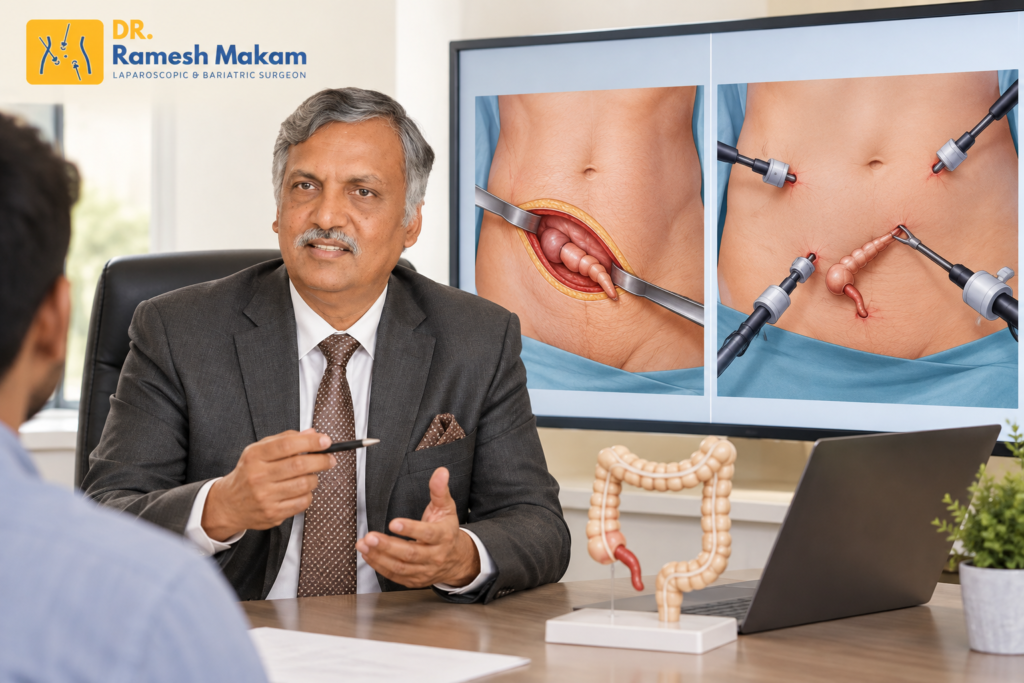
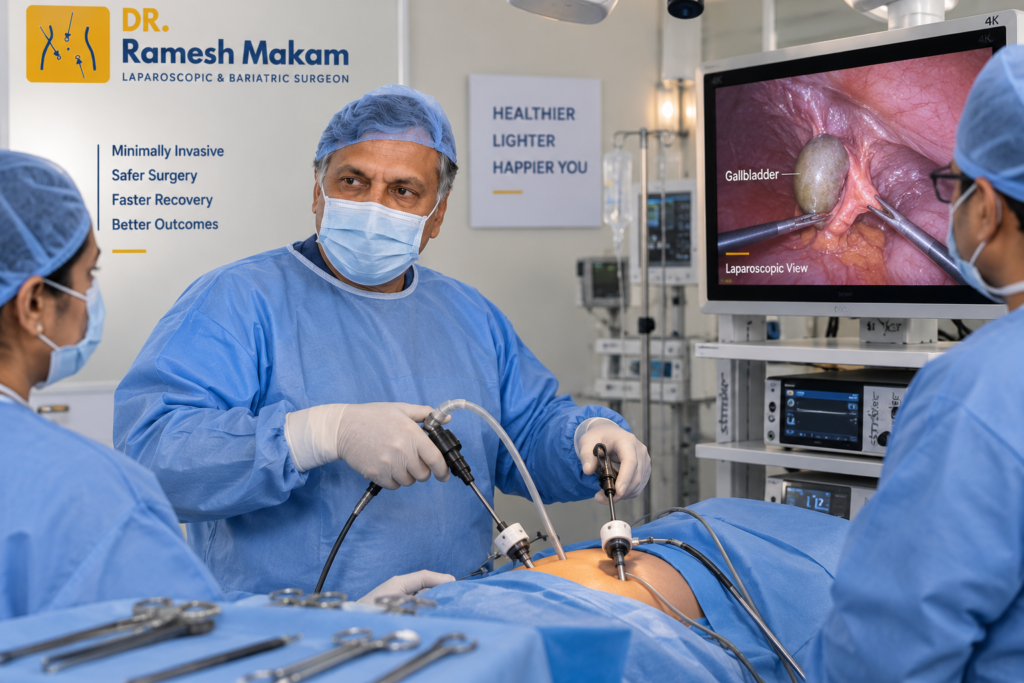
Laparoscopic Hernia Repair

Minimally invasive approach using mesh reinforcement.

Benefits:

  • Smaller scars
  • Less pain
  • Faster return to work
  • Lower chronic pain rates

Robotic Hernia Surgery

Provides:

  • 3D visualization
  • Greater precision
  • Improved ergonomics in complex cases

Open Repair

Used in:

  • Large hernias
  • Patients unsuitable for general anesthesia
  • Complicated or emergency cases

Recovery Timeline

Time

Activity

Day 1

Walking

Week 1

Desk work

Week 2–3

Light exercise

Week 4–6

Gradual return to full activity

Week 8+

Unrestricted movement

Avoid heavy lifting for 4–6 weeks.

Hernia Prevention Strategies

While congenital weakness cannot be changed, you can reduce risk by:

  • Maintaining healthy weight
  • Eating high-fiber Indian diet (methi, palak, lentils, jowar)
  • Avoiding smoking
  • Treating chronic cough early
  • Practicing correct lifting techniques
  • Strengthening core muscles safely

When to Consult a Specialist

You should seek evaluation if:

  • A bulge increases in size
  • Pain interferes with daily life
  • You have previous abdominal surgery
  • You are a woman with unexplained groin pain
  • You suspect recurrence after previous repair

Early elective surgery prevents emergency complications.

Expert Hernia Care in Bengaluru

Advanced hernia care in Bengaluru is available under the leadership of Dr. Ramesh Makam, a pioneer of minimally invasive surgery in Karnataka.

He practices at:

  • Arka Anugraha Hospital
  • AV Hospital

With over 35 years of experience and thousands of procedures performed, his approach emphasizes:

  • Evidence-based surgery
  • Minimally invasive techniques
  • Patient education
  • Early recovery protocols

Consultation bookings are available at:
https://drrameshmakam.com/

FAQs

1. What is the main cause of hernia?

A combination of muscle weakness and increased abdominal pressure.

2. Can exercise cure a hernia?

No. Exercise may strengthen muscles but cannot close the defect.

3. Is a painless hernia safe?

No. Even painless hernias can become strangulated.

4. Why are men more prone to inguinal hernia?

Because the spermatic cord creates a natural weak spot in the groin.

5. Does obesity increase hernia risk?

Yes. It increases intra-abdominal pressure and weakens fascia.

6. Can hernias be hereditary?

Yes. There is a strong genetic component linked to collagen strength.

7. How long is hospital stay after laparoscopic surgery?

Usually same day or 24 hours.

8. What is strangulated hernia?

When blood supply to trapped tissue is cut off. It is life-threatening.

BEST Institute was started with the intention of sharing my knowledge with
other fellow surgeons. During this journey, many conferences and workshops
have been conducted. Skills training is the highlight of this Institute.

Recent Post

Strangulated Hernia: A Life-Threatening Emergency Explained

Strangulated Hernia: A Life-Threatening Emergency Explained

March 31, 2026 Strangulated Hernia: A Life-Threatening Emergency Explained Introduction A strangulated hernia is the most dangerous complication of an untreated…

What Happens If a Hernia Is Not Treated?

What Happens If a Hernia Is Not Treated?

March 31, 2026 What Happens If a Hernia Is Not Treated? Clinical Progression, Complications, and When to Act An untreated hernia…

What Causes Hernias? Root Triggers, Risk Factors, and Modern Recovery Pathways

What Causes Hernias? Root Triggers, Risk Factors, and Modern Recovery Pathways

March 17, 2026 What Causes Hernias? Root Triggers, Risk Factors, and Modern Recovery Pathways Introduction A hernia develops when an internal…