Strangulated Hernia: A Life-Threatening Emergency Explained
March 31, 2026 Strangulated Hernia: A Life-Threatening Emergency Explained Introduction A strangulated hernia is the most dangerous complication of an untreated…
March 10, 2026
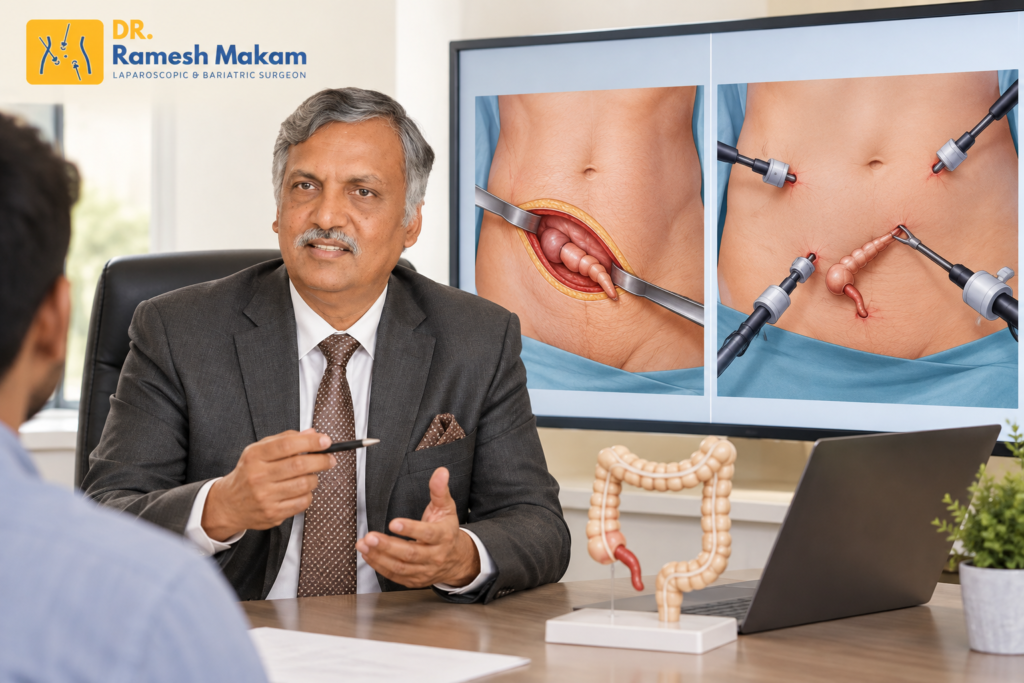
Laparoscopic hernia repair has transformed the way abdominal wall defects are treated. What once required large incisions and prolonged recovery is now managed through minimally invasive techniques that allow faster healing, less pain, and quicker return to work.
In India, where hernia prevalence is significant and working-age patients seek rapid recovery, minimally invasive hernia surgery has become the preferred approach. In Bengaluru and South Bengaluru, access to advanced laparoscopy has improved outcomes for both inguinal and ventral hernias.
This guide explains how laparoscopic hernia repair works, its advantages over open surgery, recovery expectations, and when to seek specialist care.
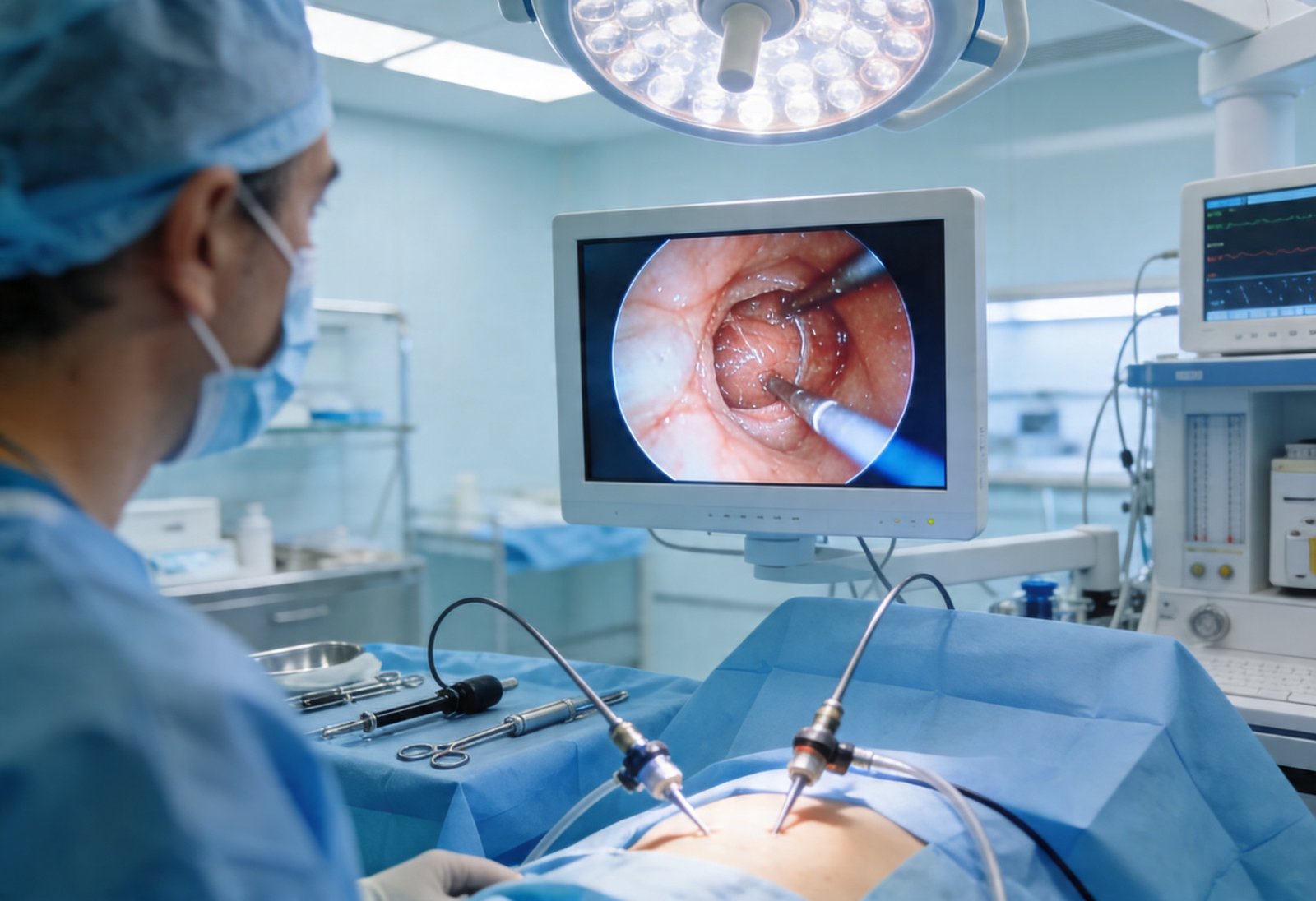
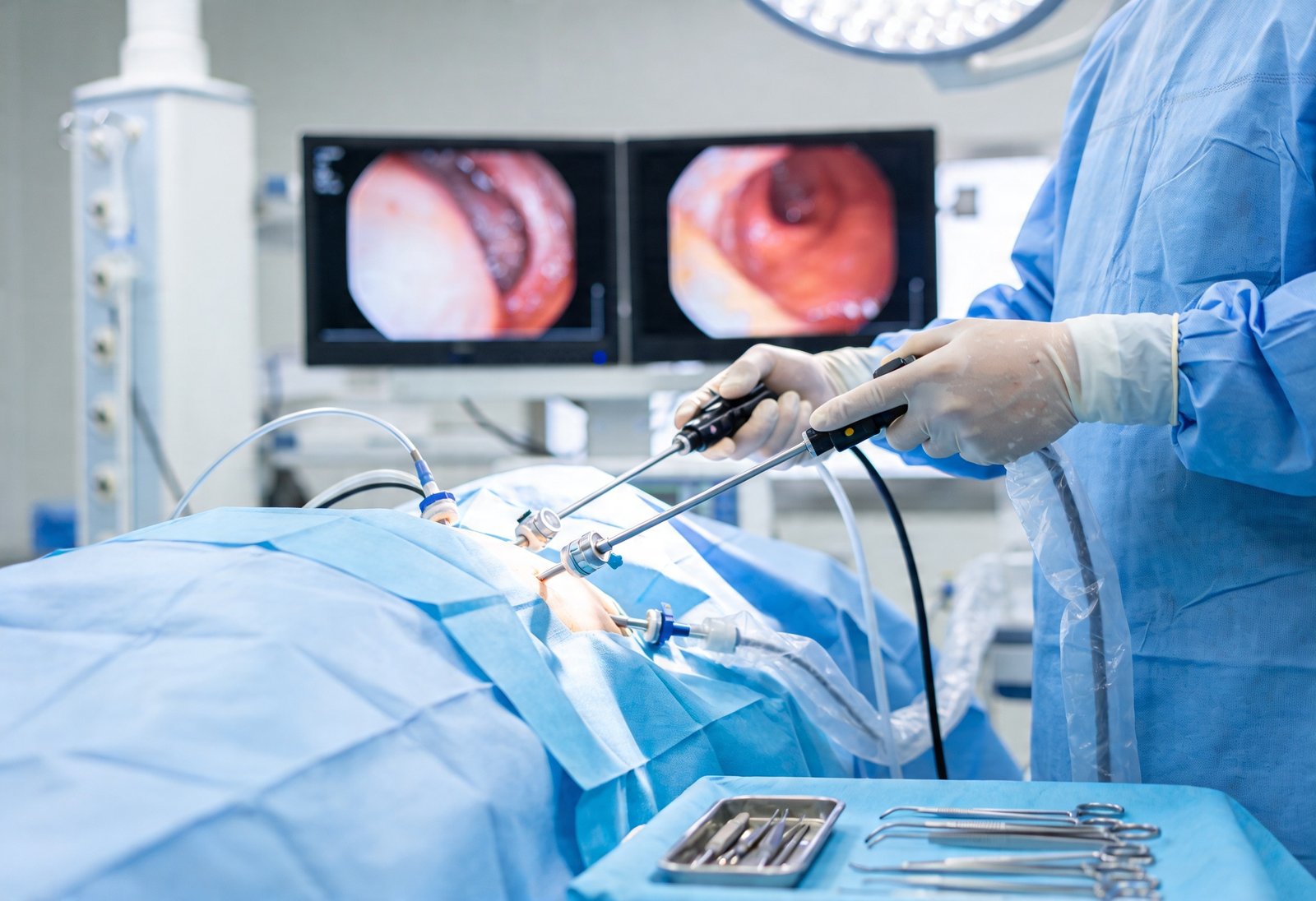
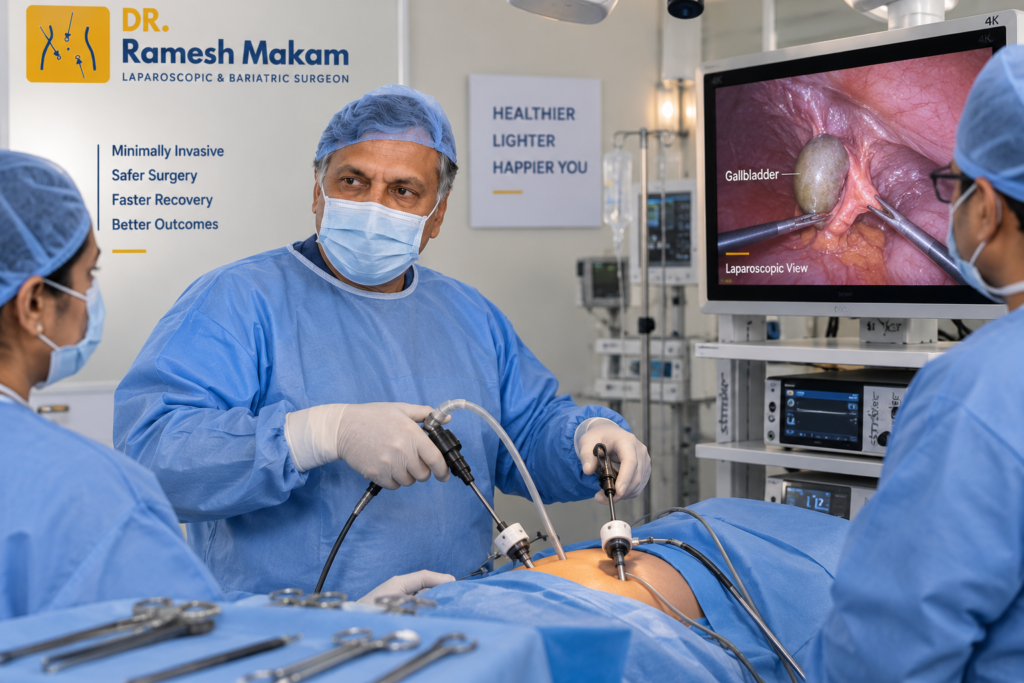
Laparoscopic hernia repair, also known as keyhole hernia surgery, is a minimally invasive procedure performed using:
Instead of approaching the hernia from the outside, the surgeon repairs it from the inside, reinforcing the weakened area with mesh.
A hernia develops when internal tissue pushes through a weak area in the abdominal wall. The most common types treated laparoscopically include:
In the groin, the vulnerable zone is called the myopectineal orifice. This area contains natural openings for blood vessels and reproductive structures, making it a common site of weakness.
Laparoscopic repair allows reinforcement of the entire vulnerable region in a single procedure.
The abdomen is gently inflated with carbon dioxide gas. This creates space for safe instrument movement.
A high-definition 4K or 3D camera provides magnified visualization of nerves, vessels, and anatomical landmarks.
A synthetic mesh is placed over the defect from the inside, covering all potential weak spots.
Depending on the case, fixation may be done using:
Useful in complex or recurrent cases.
Both techniques are effective when performed by experienced surgeons.
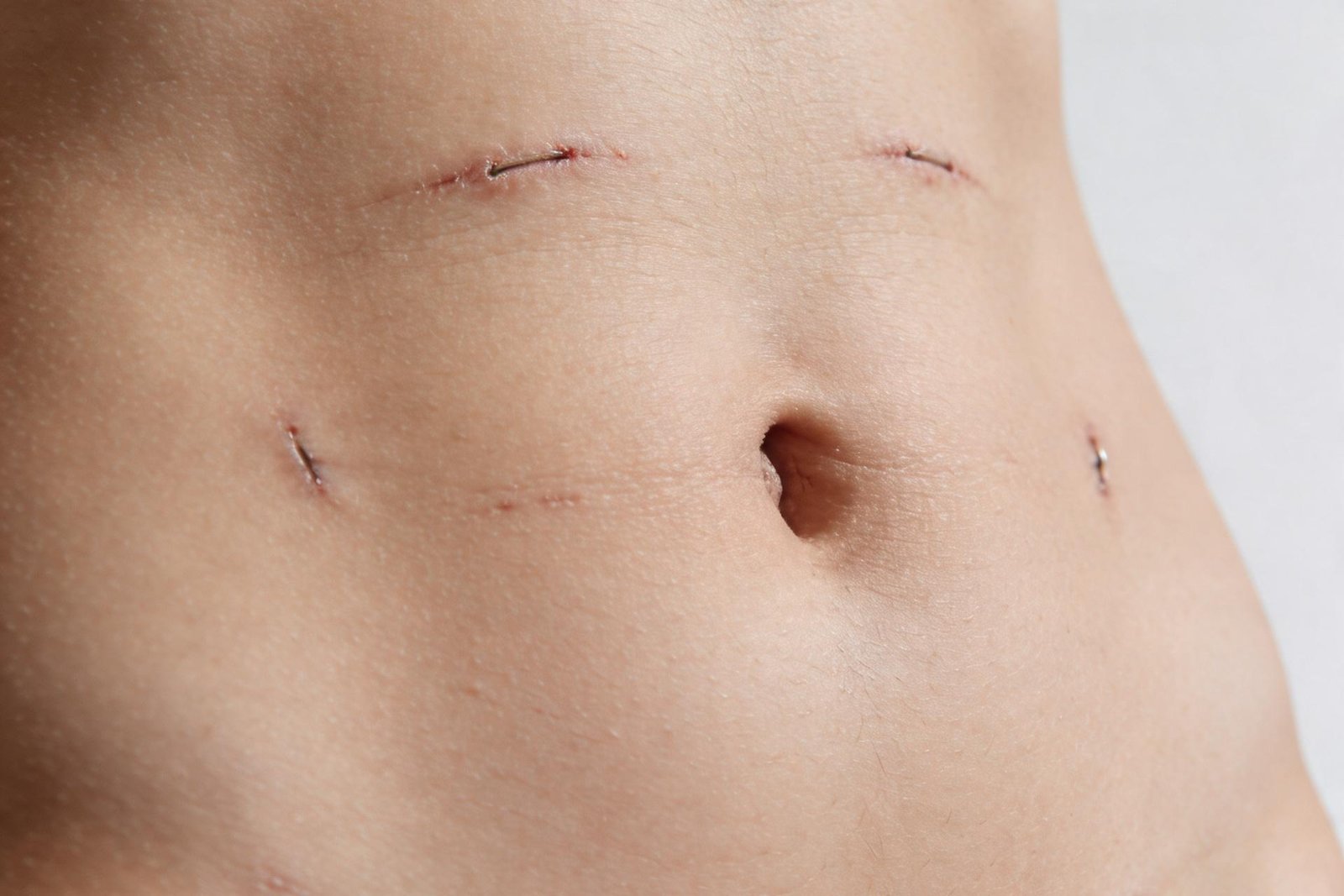
Compared to open hernia surgery, laparoscopic repair offers:
Studies consistently show reduced chronic groin pain after minimally invasive repair due to less nerve trauma.
Outcome | Open Repair | Laparoscopic Repair |
Incision Size | Large | Small |
Postoperative Pain | Moderate to High | Lower |
Return to Work | 10 to 14 days | 5 to 7 days |
Chronic Pain Risk | Higher | Lower |
Bilateral Repair | Two incisions | Same incisions |
Modern hernia mesh usage is central to successful repair.
Mesh reduces recurrence rates from over 15% to below 2% in experienced hands.
Laparoscopic hernia repair is particularly recommended for:
However, very large or complicated hernias may require open surgery.
A detailed evaluation determines the most appropriate technique.
Following structured recovery guidelines prevents recurrence.
To avoid strain:
Avoid constipation, as straining can affect the repair.
The hernia surgery cost in India varies by city and hospital.
In Bengaluru, typical ranges:
₹65,000 to ₹1,60,000 depending on:
Most health insurance policies cover laparoscopic hernia repair.
Seek immediate medical care if:
These signs suggest incarceration or strangulation.
Laparoscopic hernia repair requires advanced anatomical knowledge and precision.
Dr. Ramesh Makam is a pioneer of minimally invasive surgery in Karnataka and established one of the earliest video laparoscopy centers in the region. With over 35 years of experience and more than 12,000 procedures performed, he has contributed significantly to advanced laparoscopy in India.
He practices at:
To schedule a consultation, visit:
https://drrameshmakam.com/
Laparoscopic hernia repair represents a major advancement in modern surgery. It offers:
For patients in Bengaluru and across India, minimally invasive hernia surgery provides an efficient and safe solution when performed by experienced specialists.
Early consultation ensures elective repair under optimal conditions rather than emergency intervention.
1. Is laparoscopic hernia repair better than open surgery?
Yes, for most inguinal and bilateral hernias, it offers faster recovery and less pain.
2. How long does the surgery take?
Typically 45 to 90 minutes depending on complexity.
3. Can both sides be repaired together?
Yes, bilateral hernias can be repaired in one procedure.
4. Is mesh permanent?
Yes, it integrates into your tissue permanently.
5. How painful is recovery?
Mild soreness for 1 to 3 days. Most patients manage with oral pain medication.
6. When can I return to work?
Desk jobs within 5 to 7 days.
7. Can hernia come back?
Recurrence is rare when mesh repair is performed properly.
8. Is general anesthesia safe?
Modern anesthesia is very safe after proper preoperative evaluation.
BEST Institute was started with the intention of sharing my knowledge with
other fellow surgeons. During this journey, many conferences and workshops
have been conducted. Skills training is the highlight of this Institute.
March 31, 2026 Strangulated Hernia: A Life-Threatening Emergency Explained Introduction A strangulated hernia is the most dangerous complication of an untreated…
March 31, 2026 What Happens If a Hernia Is Not Treated? Clinical Progression, Complications, and When to Act An untreated hernia…
March 17, 2026 What Causes Hernias? Root Triggers, Risk Factors, and Modern Recovery Pathways Introduction A hernia develops when an internal…