Dr Ramesh Makam

What Is a Hernia? Symptoms, Causes and Modern Treatment in Bengaluru

Introduction: Understanding Hernia in Today’s Clinical Context

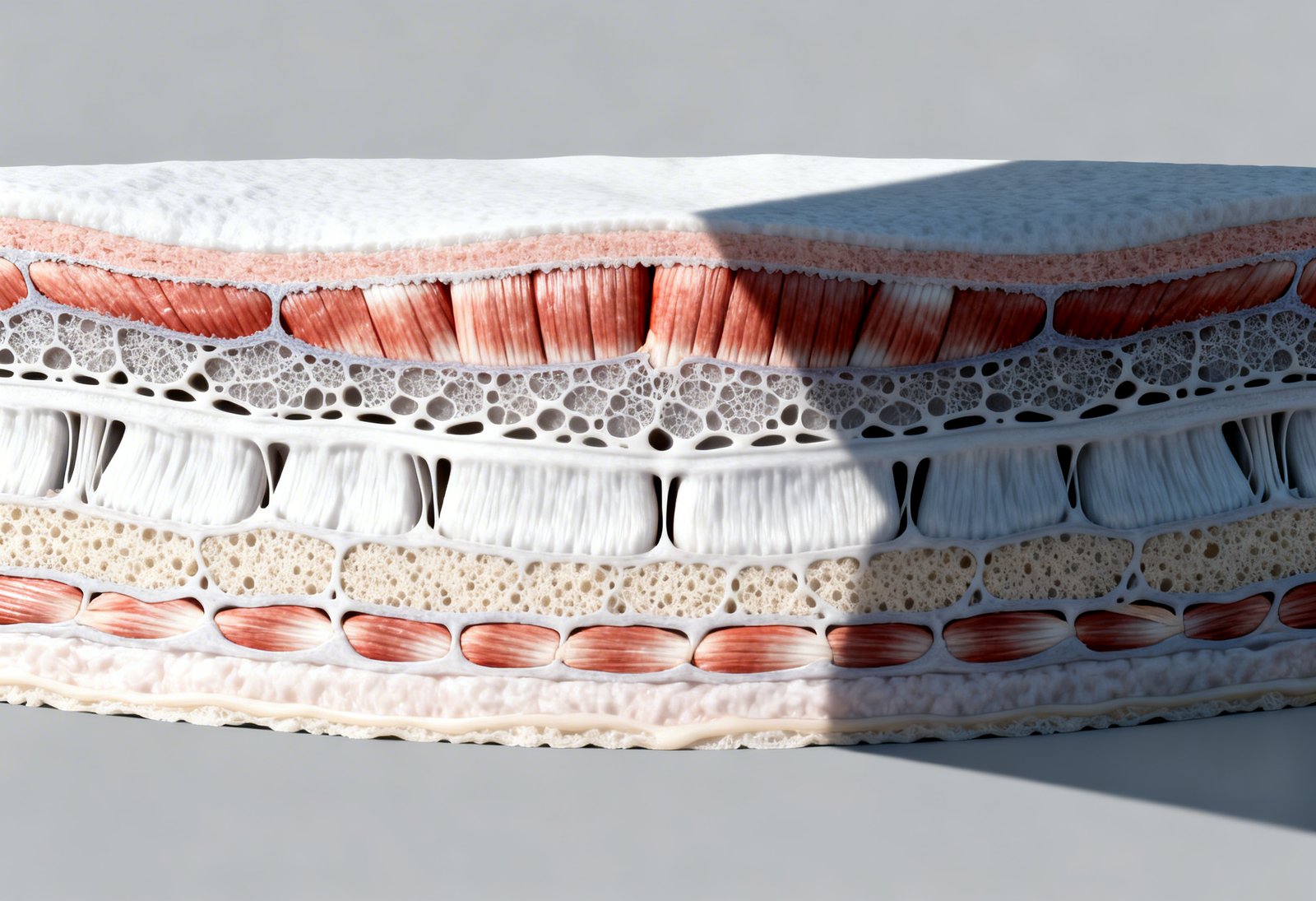
The human abdominal wall is a marvel of biological engine

If you have searched online asking, “What is a hernia?”, you are not alone. Hernia is one of the most common surgical conditions seen across India, including Bengaluru and South Bengaluru. With increasing life expectancy, sedentary work patterns, obesity, and prior abdominal surgeries, the number of people diagnosed with abdominal wall hernias has steadily increased over the past decades.

A hernia is a structural weakness in the abdominal wall that allows internal tissue – usually part of the intestine or fatty tissue – to protrude through a defect in muscle or fascia. While it may begin as a painless bulge, it can progress to pain, digestive symptoms, and in some cases, a surgical emergency.

This comprehensive guide explains:

  • What is a hernia
  • Types of hernia
  • Causes and risk factors
  • Early symptoms and warning signs
  • Diagnostic evaluation
  • Laparoscopic and robotic hernia surgery
  • Recovery and prevention

If you are experiencing a groin lump, abdominal swelling, or persistent discomfort, understanding the condition early can prevent complications.

ering, designed to contain high-pressure visceral organs while allowing for the complex range of motion required for daily life. However, this dynamic containment system is susceptible to structural failure. A hernia, often dismissed in colloquial terms as a simple “rupture” or “bulge,” represents a profound breach in this anatomical integrity. It is a condition where the internal contents of the abdomen—typically intestine or omental fat—protrude through a congenital or acquired defect in the fascia, the strong connective tissue layer that acts as the body’s internal girdle.1

For patients in Karnataka, and specifically those traversing the medical corridor between Mysore and Bangalore, the diagnosis of a hernia often brings a cascade of questions regarding urgency, surgical methodology, and long-term outcomes. The evolution of hernia surgery from a procedure fraught with recurrence and pain to a sophisticated, minimally invasive art form is one of the great success stories of modern medicine.

This report serves as a definitive, encyclopedic resource for patients and medical peers alike. Authored from the perspective of the clinical experts at ARKA Anugraha Hospital, recognized as South India’s only Center of Excellence by the Asia Pacific Hernia Society (APHS) 3, this document goes beyond the surface level. We will explore the cellular mechanisms of collagen failure that predispose individuals to herniation, the physics of laparoscopic mesh placement, the economic nuances of healthcare in Bangalore versus Mysore, and the integration of functional medicine into surgical recovery. Under the leadership of Dr. Ramesh Makam, a surgeon with over 35 years of experience and thousands of successful repairs, ARKA Anugraha stands at the forefront of this surgical evolution.
What Is a Hernia? The Structural Science Behind It

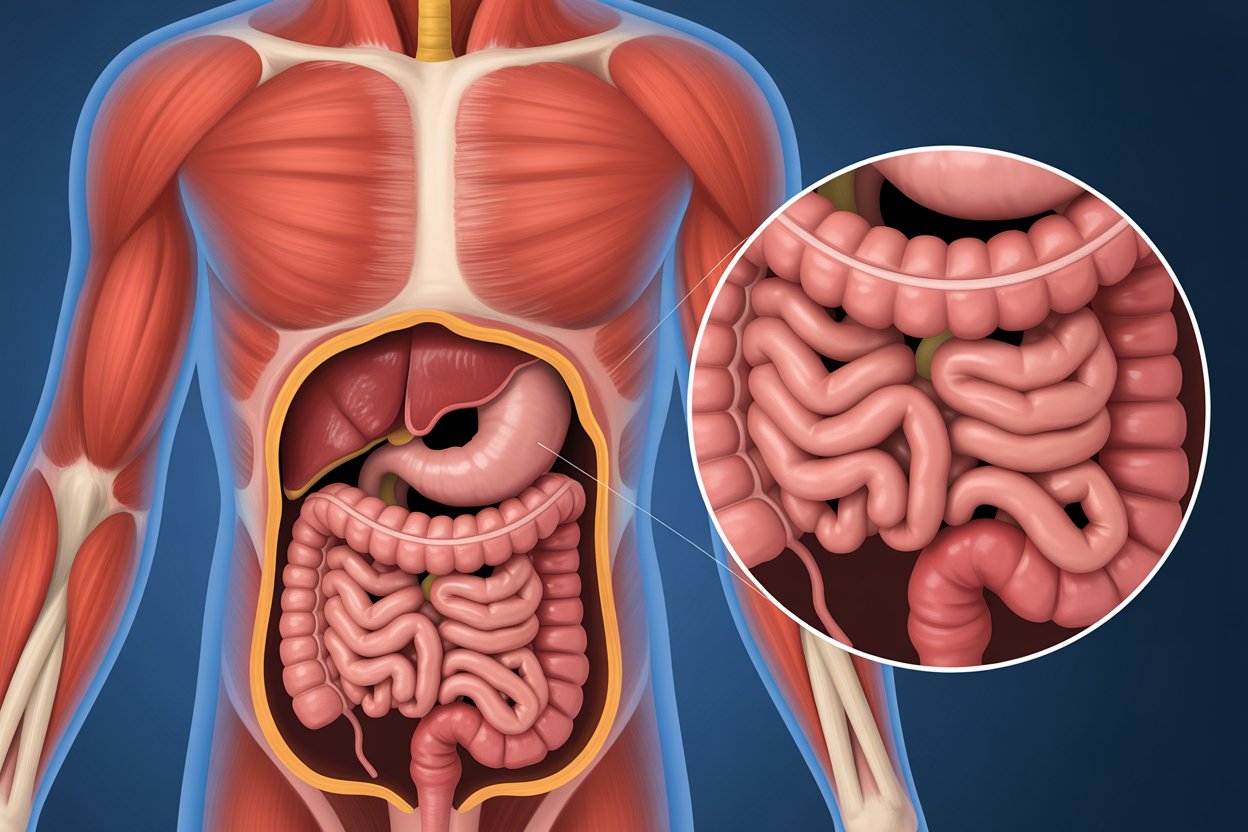
The abdominal wall functions like a natural corset. It holds internal organs in place and maintains pressure balance during breathing, lifting, coughing, and bowel movements.

A hernia occurs when:

  1. There is a weak spot in the abdominal muscles or fascia
  2. Internal pressure increases
  3. Tissue pushes outward through the defect

Over time, microscopic structural changes in connective tissue can weaken the fascia. Research shows that an imbalance between Type I collagen (strong) and Type III collagen (elastic but weaker) may predispose certain individuals to hernia formation.

This is why some people develop hernias even without heavy lifting or obvious injury.

Common Types of Hernia Seen in India

1. Inguinal Hernia

  • Most common type
  • Occurs in the groin
  • More common in men
  • Can extend into the scrotum

2. Femoral Hernia

  • Seen more often in women
  • Occurs near the upper thigh
  • Higher risk of strangulation

3. Umbilical Hernia

  • Occurs at the belly button
  • Common in infants and obese adults
  • Also seen after pregnancy

4. Incisional Hernia

  • Develops at the site of previous abdominal surgery
  • Common after cesarean section or open abdominal procedures

5. Hiatal Hernia

  • Occurs in the diaphragm
  • Associated with acid reflux and GERD

In urban regions like Bengaluru, incisional and inguinal hernias are particularly common due to lifestyle patterns and prior surgeries.

Causes of Hernia: Why Does It Develop?

Hernia development is usually multifactorial. The most common causes of hernia include:

Genetic and Congenital Factors

  • Incomplete closure of abdominal structures at birth
  • Family history of hernia

Increased Intra-Abdominal Pressure

  • Heavy lifting
  • Chronic coughing
  • Chronic constipation
  • Straining during urination
  • Obesity

Lifestyle and Medical Factors

  • Smoking – weakens collagen
  • Diabetes – impairs tissue healing
  • Aging – reduced muscle tone
  • Previous abdominal surgery
  • Multiple pregnancies

In many patients seen at Arka Anugraha Hospital and AV Hospital Bengaluru, hernias develop gradually due to a combination of obesity, sedentary jobs, and untreated chronic constipation.

Early Signs and Symptoms of Hernia

An untreated hernia can become incarcerated (trapped) or strangulated (blood supply cut off). This is a medical emergency.

Seek immediate medical attention if you notice:

  • Sudden severe pain
  • Bulge that cannot be pushed back
  • Nausea and vomiting
  • Red or purple discoloration over swelling
  • Fever with abdominal pain
  • Inability to pass gas or stool

Early consultation reduces the risk of emergency surgery.

How Is Hernia Diagnosed?

Clinical Examination

A specialist examines you in standing and lying positions. You may be asked to cough or strain to assess the defect.

Imaging

If required, imaging tests include:

  • Ultrasound – Useful for small or occult hernias
  • CT scan – Best for complex or incisional hernias
  • MRI – Used in athletes for groin pain differentiation

Accurate diagnosis helps in choosing the most appropriate surgical technique.

Treatment Options for Hernia

Can a Hernia Heal Without Surgery?

No. A hernia does not close on its own. Lifestyle changes can slow progression but cannot repair the defect.

Small, painless hernias may be monitored under medical supervision, but most symptomatic hernias eventually require surgical repair.

Modern Hernia Surgery in Bengaluru

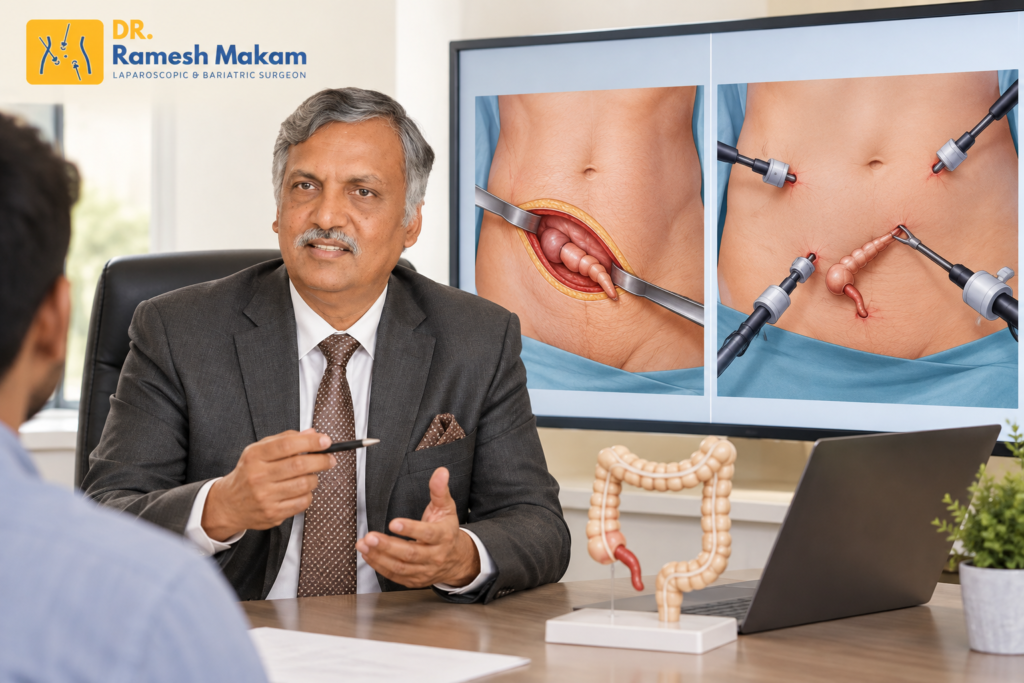
Surgical treatment has evolved significantly. Today, most hernia repairs are tension-free mesh repairs.

1. Open Hernia Repair

  • Single incision
  • Mesh placement
  • Longer recovery
  • Suitable for very large defects

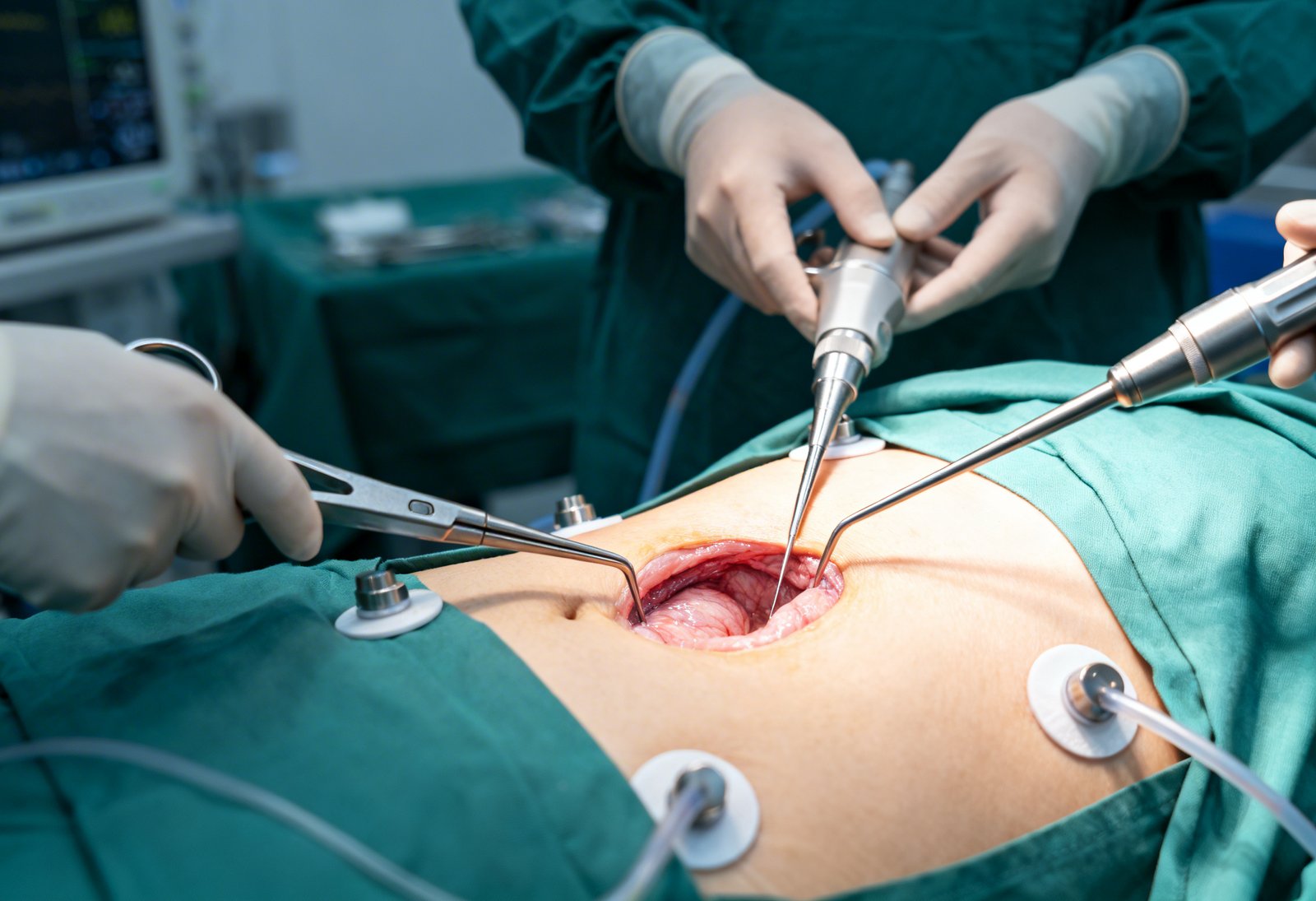
2. Laparoscopic Hernia Surgery

  • 3 to 4 small incisions
  • Faster recovery
  • Less post-operative pain
  • Minimal scarring
  • Early return to work

3. Robotic Hernia Surgery

  • Advanced 3D visualization
  • Greater precision
  • Useful in recurrent or complex hernias

Dr. Ramesh Makam is known for his expertise in minimally invasive and advanced laparoscopic hernia repair in Karnataka. At both Arka Anugraha Hospital and AV Hospital Bengaluru, patients benefit from structured surgical pathways and multidisciplinary care.

Recovery After Hernia Surgery

Recovery depends on the surgical approach:

  • Laparoscopic/Robotic: 1 to 2 weeks for routine activity
  • Open surgery: 4 to 6 weeks for full recovery

Patients are encouraged to:

  • Walk early
  • Avoid lifting heavy objects for 4 to 6 weeks
  • Maintain a high-protein diet
  • Prevent constipation

A temporary firm swelling under the incision, known as a healing ridge, is normal and settles gradually.

Lifestyle Measures to Prevent Recurrence

Prevention is as important as treatment.

Maintain Healthy Weight

Reduces abdominal pressure.

Manage Constipation

Indian diet recommendations:

  • Dal
  • Whole wheat rotis
  • Leafy vegetables
  • Adequate hydration

Quit Smoking

Improves collagen healing and reduces recurrence risk.

Strengthen Core Muscles

After medical clearance, supervised core exercises improve abdominal wall stability.

When Should You See a Hernia Specialist?

Consult a specialist if:

  • The bulge increases in size
  • Pain interferes with daily activity
  • Hernia does not reduce when lying down
  • You notice recurrence after previous surgery
  • Digestive symptoms accompany swelling

Early evaluation improves surgical outcomes and reduces complication risks.

If you are located in Bengaluru or South Bengaluru and suspect a hernia, you can consult Dr. Ramesh Makam through his official website:
https://drrameshmakam.com/

A detailed consultation includes history, examination, risk assessment, and a clear explanation of surgical options tailored to your needs.

What to Expect During Consultation

During your visit, you can expect:

  • Detailed medical history review
  • Physical assessment
  • Discussion of imaging findings
  • Explanation of laparoscopic vs open options
  • Recovery planning
  • Risk evaluation

The goal is not just surgery, but long-term abdominal wall strength and quality of life.

Conclusion: Hernia Is Treatable and Manageable

A hernia is not merely a cosmetic issue. It represents a structural weakness that can progress if ignored. Fortunately, advances in laparoscopic and robotic surgery have transformed hernia repair into a safe, effective, and often daycare procedure.

With early diagnosis, appropriate surgical planning, and proper lifestyle management, recurrence rates are low and recovery is smooth.

If you notice symptoms of hernia, do not delay evaluation. Timely intervention prevents complications and restores comfort and function.

You may schedule a consultation with Dr. Ramesh Makam via:
https://drrameshmakam.com/

Frequently Asked Questions (FAQs)

1. Does every hernia require surgery?

Not immediately. Small, painless hernias may be monitored, but symptomatic hernias typically require repair.

2. Can yoga cure a hernia?

No. Exercise cannot close a fascial defect. It may strengthen muscles but will not repair the hole.

3. What is the most common hernia in India?

Inguinal hernia is the most common, especially in men.

4. Is surgical mesh safe?

Yes. Modern surgical mesh is designed to remain permanently and reinforce the abdominal wall.

5. How soon can I return to work after laparoscopic surgery?

Most patients resume desk work within 3 to 7 days.

6. Is hernia surgery painful?

Minimally invasive techniques significantly reduce post-operative pain compared to traditional open surgery.

7. Can hernia cause digestive problems?

Yes. If the bowel gets trapped, it can cause obstruction, nausea, or constipation.

8. What are signs of hernia emergencies?

Severe pain, vomiting, hard irreducible swelling, and discoloration require immediate medical attention.

BEST Institute was started with the intention of sharing my knowledge with
other fellow surgeons. During this journey, many conferences and workshops
have been conducted. Skills training is the highlight of this Institute.

Recent Post

Inguinal Hernia: Symptoms, Causes and Advanced Treatment in Bengaluru

Inguinal Hernia: Symptoms, Causes and Advanced Treatment in Bengaluru

February 10, 2026 Inguinal Hernia: Symptoms, Causes and Advanced Treatment in Bengaluru Introduction: Understanding Inguinal Hernia in the Indian Context An…

What Is a Hernia? Symptoms, Causes and Modern Treatment in Bengaluru

What Is a Hernia? Symptoms, Causes and Modern Treatment in Bengaluru

February 3, 2026 What Is a Hernia? Symptoms, Causes and Modern Treatment in Bengaluru Introduction: Understanding Hernia in Today’s Clinical Context…

What is Hernia and How Can It Be Treated with Laparoscopy?

What is Hernia and How Can It Be Treated with Laparoscopy?

December 3, 2025 What is Hernia and How Can It Be Treated with Laparoscopy? Executive Summary: The Structural Integrity of the…