Dr Ramesh Makam

Umbilical Hernia in Adults: Symptoms, Causes and When to See a Surgeon

Introduction: Understanding Umbilical Hernia

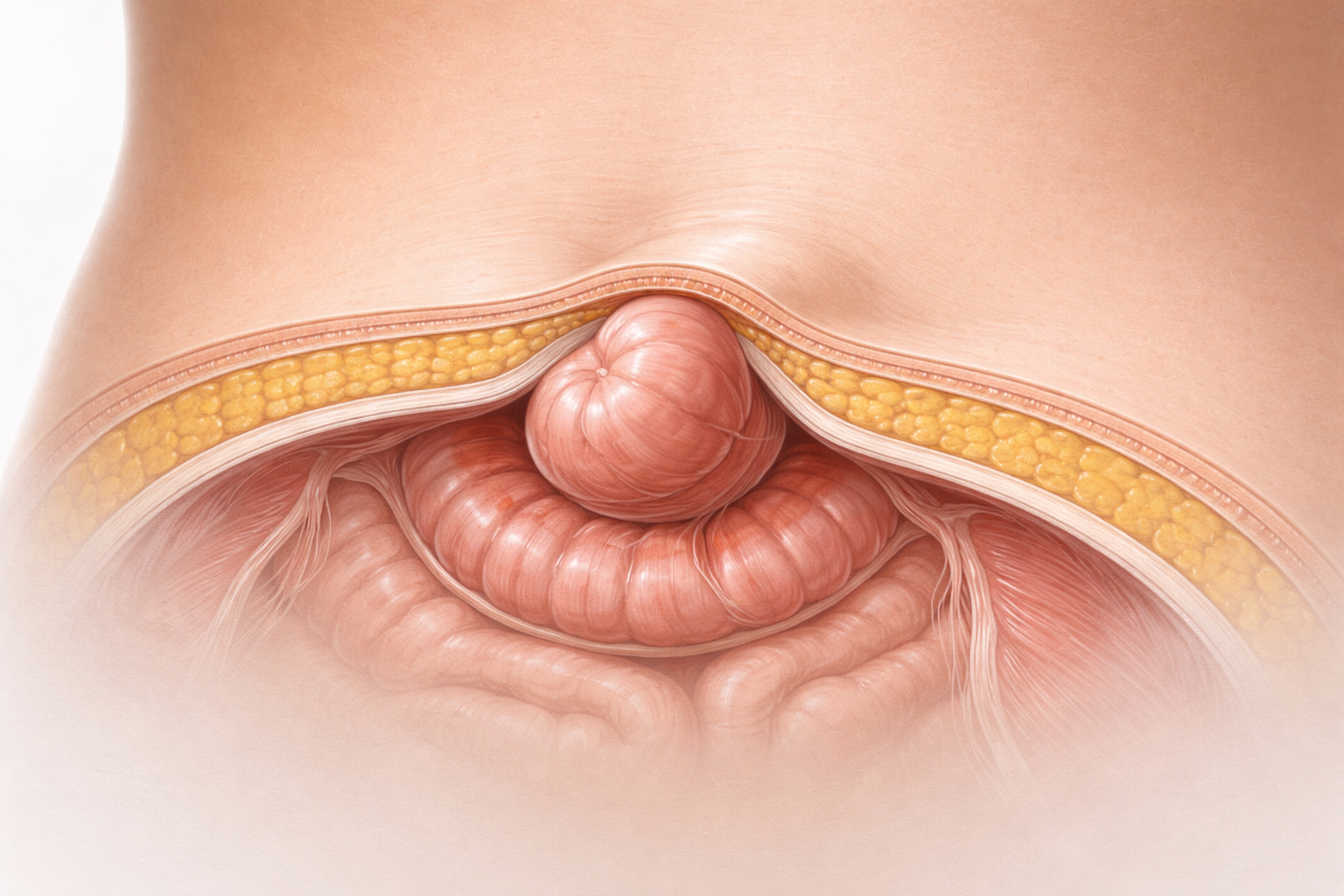
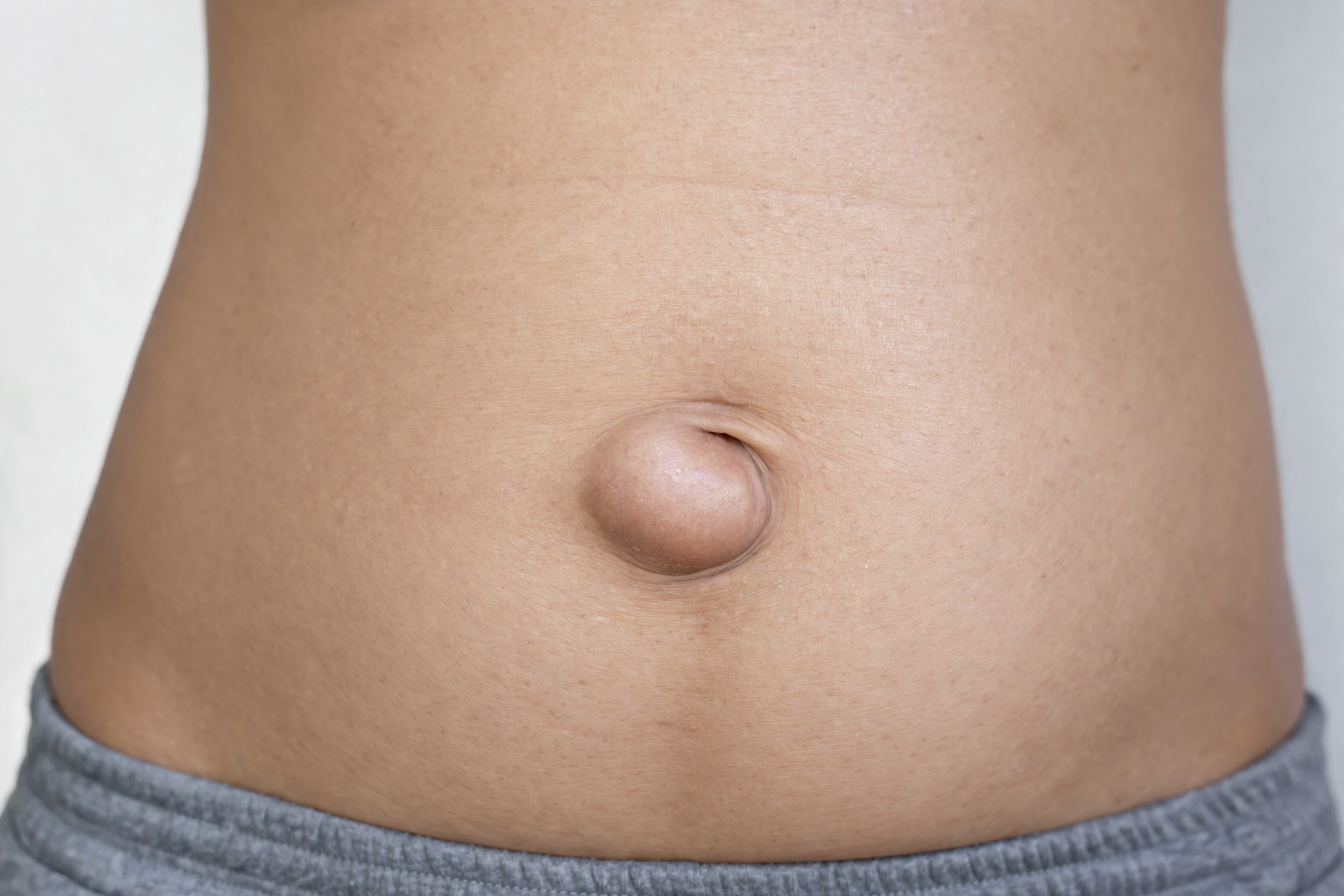
An umbilical hernia is a condition in which tissue from inside the abdomen pushes through a weak spot near the belly button. Many patients first notice a small swelling at the navel, often described as a “belly button bulge.”

In children, small umbilical hernias often close on their own by age five. However, in adults, an umbilical hernia almost never heals without treatment. It is usually an acquired condition caused by repeated strain on the abdominal wall.

In Bengaluru and across India, umbilical hernia in adults is increasingly seen due to rising obesity, multiple pregnancies, chronic cough, and liver disease. Early evaluation is important because while some hernias remain stable for years, others may suddenly become painful or trapped.

This guide explains:

  • What is an umbilical hernia
  • Causes and risk factors
  • Symptoms and emergency signs
  • Diagnosis
  • Surgical options including laparoscopic repair
  • Recovery and prevention

What Is an Umbilical Hernia?

The belly button marks the site where the umbilical cord was attached before birth. After birth, the opening in the abdominal wall closes and forms scar tissue.

An umbilical hernia occurs when:

  • The umbilical ring weakens
  • Intra-abdominal pressure increases
  • Fat or intestine pushes through the defect

The result is a visible swelling at or near the navel.

In adults, the defect tends to enlarge gradually over time. Unlike muscle strain, this is a structural opening in the fascia that does not close with exercise or medication.

Umbilical vs Paraumbilical Hernia

Sometimes the defect occurs slightly beside the navel rather than directly through it. This is called a paraumbilical hernia.

Both types present similarly, but paraumbilical hernias may have a slightly higher risk of getting trapped because of firmer fascial edges.

Why Do Adults Develop Umbilical Hernia?

The most common cause is increased intra-abdominal pressure combined with weakened fascia.

Major Risk Factors

1. Obesity

Excess abdominal fat increases baseline pressure inside the abdomen and weakens tissue strength.

2. Multiple Pregnancies

Repeated stretching of the abdominal wall and hormonal changes weaken connective tissue.

3. Chronic Cough

Seen in smokers and patients with asthma or COPD.

4. Chronic Constipation

Straining during bowel movements increases pressure.

5. Ascites from Liver Disease

Fluid accumulation in cirrhosis places constant outward pressure on the umbilical ring.

6. Previous Abdominal Surgery

Scar tissue near the navel may weaken structural support.

In the Indian context, nutritional deficiencies and chronic respiratory conditions may further reduce collagen strength.

Symptoms of Umbilical Hernia

Early Symptoms

  • Soft swelling at the belly button
  • Bulge increases while standing or coughing
  • Swelling reduces when lying down
  • Mild discomfort or pressure
  • Pulling sensation during lifting

Some hernias remain painless for months or years.

Warning Signs: When It Becomes Dangerous

An umbilical hernia can become incarcerated or strangulated.

Incarceration

The bulge becomes trapped and cannot be pushed back.

Strangulation

Blood supply to the trapped tissue is cut off.

Seek emergency care if you notice:

  • Sudden severe abdominal pain
  • Bulge becomes hard and tender
  • Red, purple, or dark skin over swelling
  • Nausea and vomiting
  • Inability to pass gas
  • Fever or chills

Emergency surgery is required in such cases.

Even though the annual risk of strangulation is low, outcomes are significantly better when surgery is done electively rather than during an emergency.

How Is Umbilical Hernia Diagnosed?

Clinical Examination

Most cases are diagnosed through physical examination.

The doctor may:

  • Examine you while standing and lying down
  • Ask you to cough
  • Assess size and reducibility

Imaging

If required:

  • Ultrasound – first-line investigation
  • CT scan (128-slice) – useful for complex or recurrent cases
  • MRI (3T) – detailed soft tissue evaluation

Accurate imaging helps in planning surgical repair, especially for larger defects.

Does Umbilical Hernia Require Surgery?

In adults, surgery is the only definitive treatment.

While very small, asymptomatic hernias may be monitored, approximately 65% of adult patients eventually require surgery.

Elective surgery is safer than waiting for complications.

If you are in Bengaluru or South Bengaluru and notice a new bulge near the navel, early consultation can prevent emergency situations.

You may consult Dr. Ramesh Makam, an expert in minimally invasive hernia surgery, through:
https://drrameshmakam.com/

Surgical Treatment Options

1. Open Umbilical Hernia Repair

A single incision is made near the navel.

Suture Repair

Used for very small defects less than 1 to 2 cm.
Higher recurrence compared to mesh.

Open Mesh Repair

A mesh is placed to reinforce the abdominal wall.
Lower recurrence rate than stitches alone.

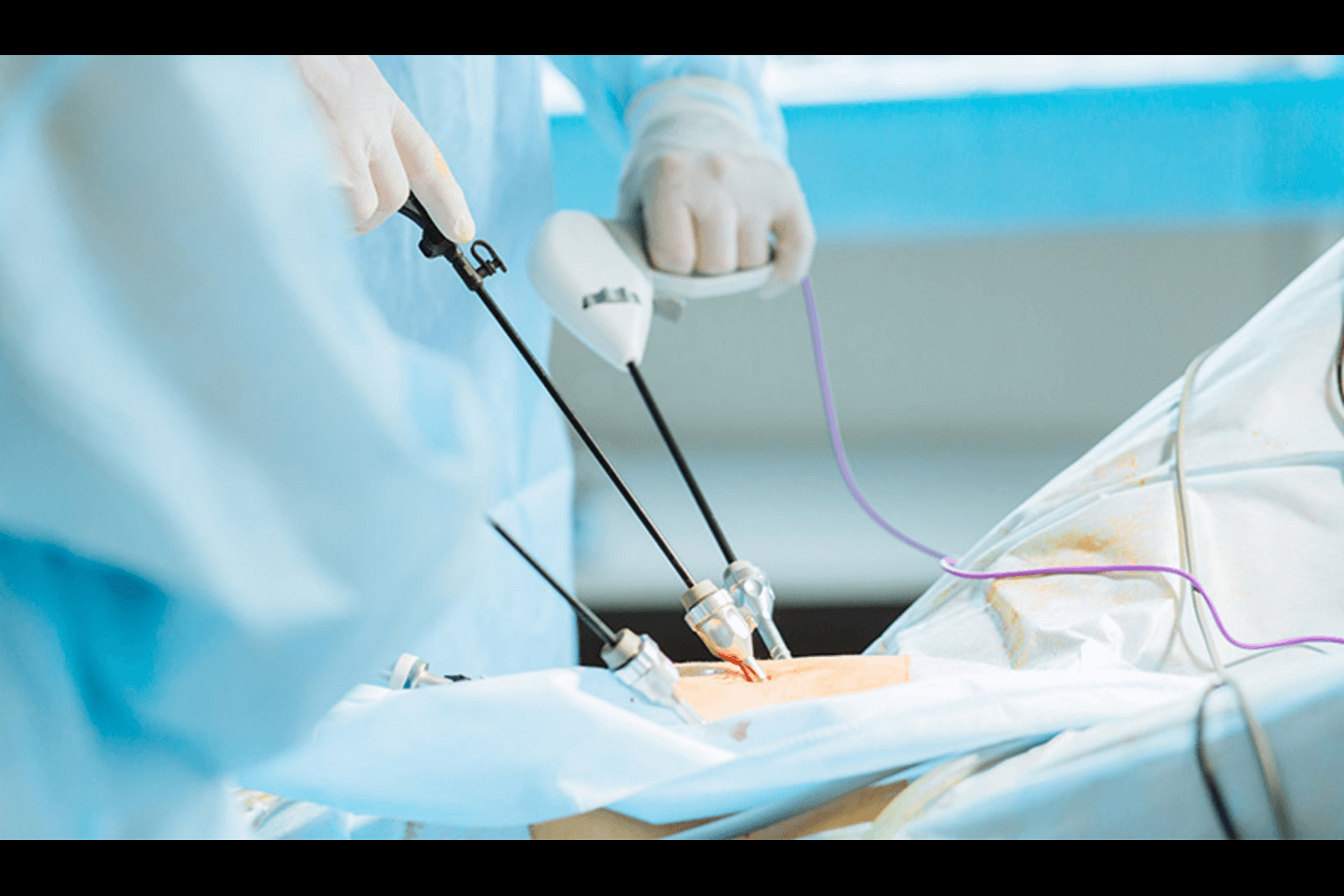
2. Laparoscopic Umbilical Hernia Repair

This minimally invasive technique uses small keyhole incisions.

Benefits include:

  • Smaller scars
  • Less post-operative pain
  • Lower infection rate
  • Faster recovery
  • Early return to work

A composite mesh is placed inside to reinforce the defect.

Laparoscopic repair is especially useful for:

  • Larger hernias
  • Recurrent hernias
  • Obese patients

3. Robotic Hernia Repair

In selected complex cases, robotic-assisted repair provides enhanced precision and improved suturing capability.

At Arka Anugraha Hospital and AV Hospital Bengaluru, advanced laparoscopic and robotic techniques are used when appropriate, supported by integrated diagnostics and anesthesiology teams.

Recovery After Umbilical Hernia Surgery

First 48 Hours

  • Gentle walking encouraged
  • Mild discomfort expected
  • Avoid lifting

Week 1

  • Light activities
  • Keep wound clean and dry

Week 2 to 3

  • Resume desk work
  • Avoid lifting over 5 kg

Week 4 to 6

  • Gradual return to normal routine
  • Avoid heavy lifting

Full sports and gym activity typically resume after 8 to 12 weeks based on surgeon advice.

Preventing Recurrence

Even after successful surgery, lifestyle measures matter.

Maintain Healthy Weight

Reduces abdominal pressure.

Avoid Smoking

Improves collagen healing.

High-Fiber Diet

Prevents constipation.
Indian diet suggestions:

  • Dal
  • Whole grains
  • Leafy vegetables
  • Adequate water intake

Safe Lifting Technique

Bend knees, not waist.

When Should You See a Surgeon?

Consult a surgeon if:

  • You notice a new bulge near the navel
  • The swelling increases in size
  • Pain interferes with daily activities
  • The bulge does not reduce on lying down
  • You are planning pregnancy and have a hernia

Early consultation improves outcomes and allows surgery to be planned under optimal conditions.

Dr. Ramesh Makam provides personalized evaluation and treatment planning for umbilical hernia patients in Bengaluru.

Appointments can be booked via:
https://drrameshmakam.com/

Conclusion

An umbilical hernia in adults is a progressive structural defect. While it may appear small initially, the risk of enlargement and complications makes early evaluation important.

Modern mesh-based and laparoscopic umbilical hernia surgery offers:

  • High success rates
  • Low recurrence
  • Faster recovery
  • Minimal scarring

If you notice a belly button bulge or discomfort, do not ignore it. Timely consultation ensures safe, effective, and planned treatment.

FAQs

1. Can an umbilical hernia heal without surgery?

No. Adult umbilical hernias do not close spontaneously.

2. Is laparoscopic surgery better than open repair?

For many patients, yes. It offers less pain and faster recovery.

3. How long does umbilical hernia surgery take?

Typically 20 to 60 minutes.

4. Is mesh always required?

Mesh is recommended for hernias larger than 1 to 2 cm to reduce recurrence.

5. What are signs of strangulation?

Severe pain, vomiting, hard discolored bulge, and fever require emergency care.

6. How soon can I walk after surgery?

Walking is encouraged within a few hours after anesthesia wears off.

7. Can I have surgery during pregnancy?

Usually postponed unless an emergency arises.

8. Will insurance cover the surgery in India?

Most Indian health insurance plans cover umbilical hernia surgery, subject to policy terms.

BEST Institute was started with the intention of sharing my knowledge with
other fellow surgeons. During this journey, many conferences and workshops
have been conducted. Skills training is the highlight of this Institute.

Recent Post

Ventral Hernia: Symptoms, Causes and Advanced Surgical Treatment in Bengaluru

Ventral Hernia: Symptoms, Causes and Advanced Surgical Treatment in Bengaluru

March 3, 2026 Ventral Hernia: Symptoms, Causes and Advanced Surgical Treatment in Bengaluru Introduction A ventral hernia is a defect in…

Hiatal Hernia: Causes, Symptoms and Advanced Treatment in Bengaluru

Hiatal Hernia: Causes, Symptoms and Advanced Treatment in Bengaluru

February 24, 2026 Hiatal Hernia: Causes, Symptoms and Advanced Treatment in Bengaluru Introduction: When Acid Reflux Is a Mechanical Problem Many…
Umbilical Hernia in Adults: Symptoms, Causes and When to See a Surgeon

Umbilical Hernia in Adults: Symptoms, Causes and When to See a Surgeon

February 17, 2026 Umbilical Hernia in Adults: Symptoms, Causes and When to See a Surgeon Introduction: Understanding Umbilical Hernia An umbilical…