Inguinal Hernia: Symptoms, Causes and Advanced Treatment in Bengaluru
February 10, 2026 Inguinal Hernia: Symptoms, Causes and Advanced Treatment in Bengaluru Introduction: Understanding Inguinal Hernia in the Indian Context An…
February 10, 2026
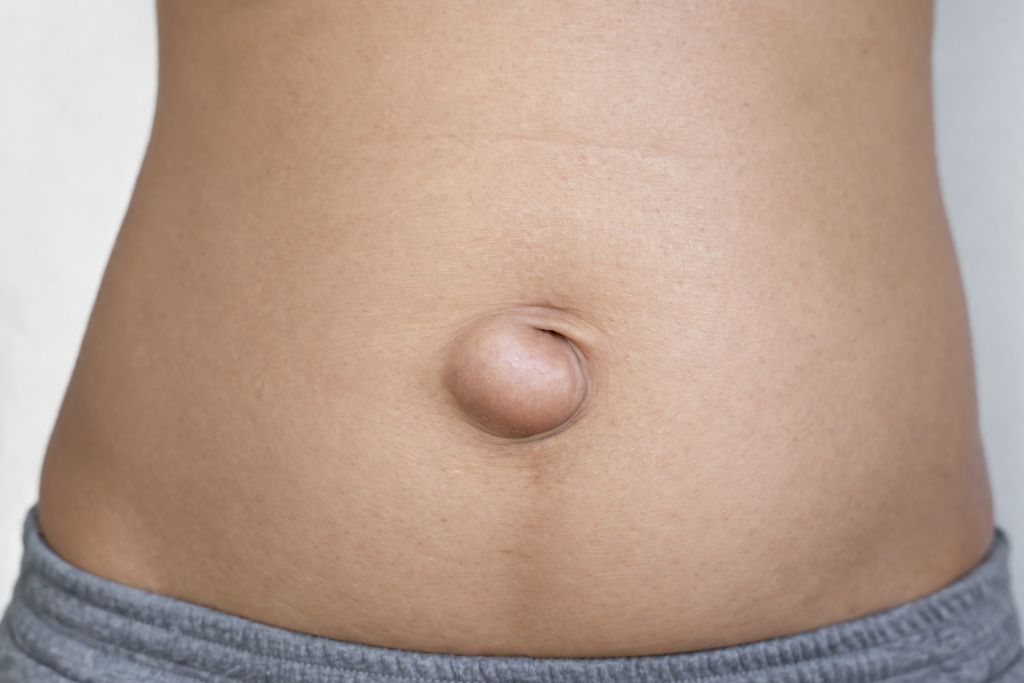
An inguinal hernia is the most common type of groin hernia seen worldwide and across India. It occurs when abdominal tissue, usually fat or a loop of intestine, protrudes through a weak area in the lower abdominal wall near the groin.
Although many patients describe it as a simple “lump in the groin,” the condition reflects a structural weakness in the abdominal wall. If ignored, it can enlarge over time and, in rare cases, become life-threatening due to obstruction or strangulation of the intestine.
In Bengaluru and South Bengaluru, inguinal hernia is frequently diagnosed in:
This detailed guide explains:
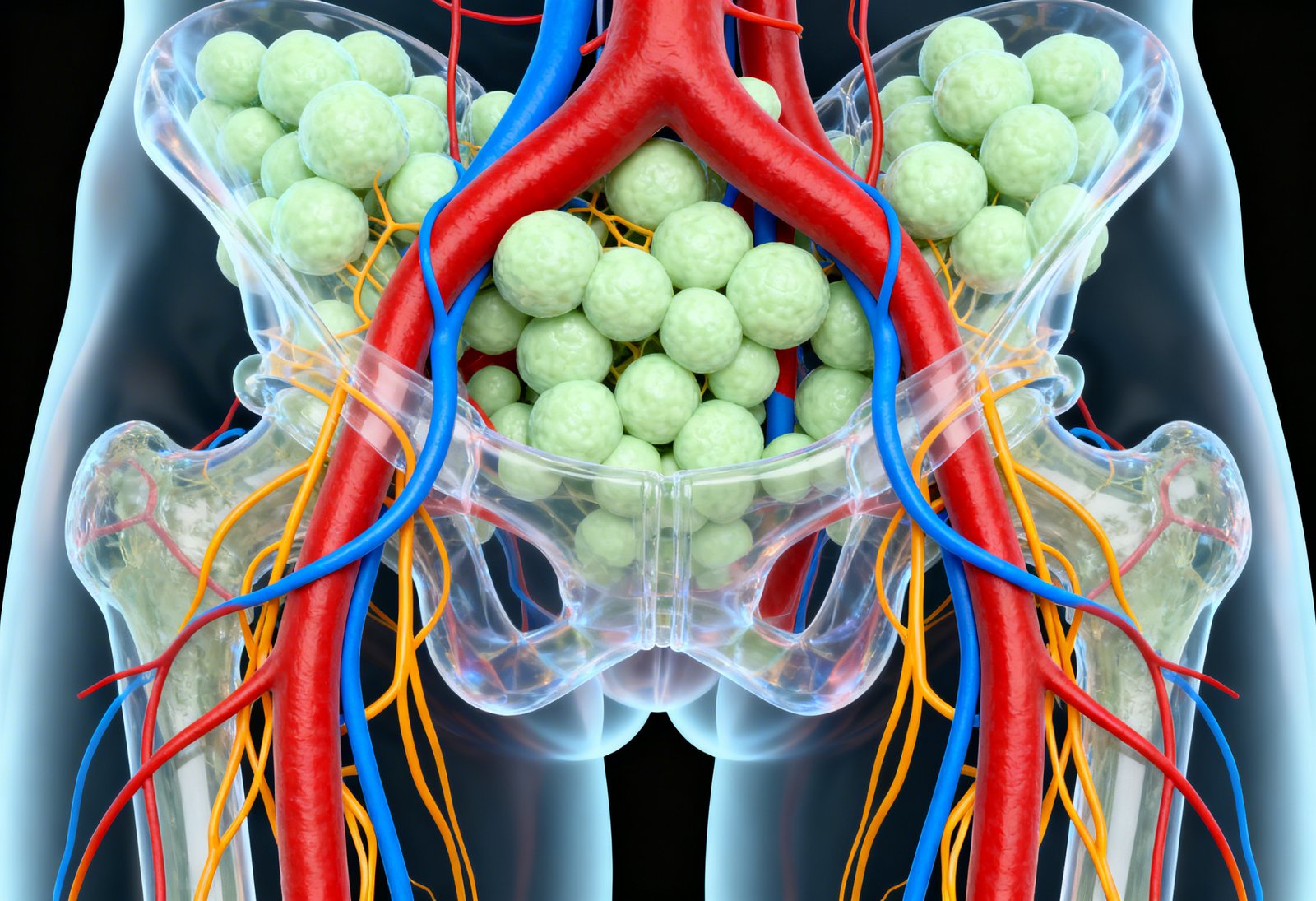
The groin contains a natural passageway called the inguinal canal. In men, it carries the spermatic cord. In women, it contains the round ligament of the uterus.
Under normal conditions, this canal is supported by strong muscle and fascia. When there is weakness in this region, internal abdominal contents can push outward, forming a bulge.
An inguinal hernia develops when:
Unlike muscle strain, this is a structural defect that does not heal on its own.
Understanding the difference helps in surgical planning.
In Indian clinical practice, right-sided inguinal hernias are more common than left-sided ones.
India has a significant burden of groin hernias due to occupational and lifestyle factors.
Studies show higher incidence among:
Repeated heavy lifting increases intra-abdominal pressure and gradually widens weak areas.
Long-standing cough, especially in smokers or COPD patients, repeatedly stresses the abdominal wall.
Diabetes affects collagen strength and wound healing, increasing risk.
Straining during urination due to benign prostatic hyperplasia increases abdominal pressure.
Excess weight places constant strain on the groin region.
Some patients notice symptoms only after prolonged standing or physical activity.
An untreated inguinal hernia can become:
The bulge becomes trapped and cannot be pushed back.
Blood supply to the trapped tissue is cut off.
Seek urgent medical attention if you experience:
Emergency surgery may be required in such cases.
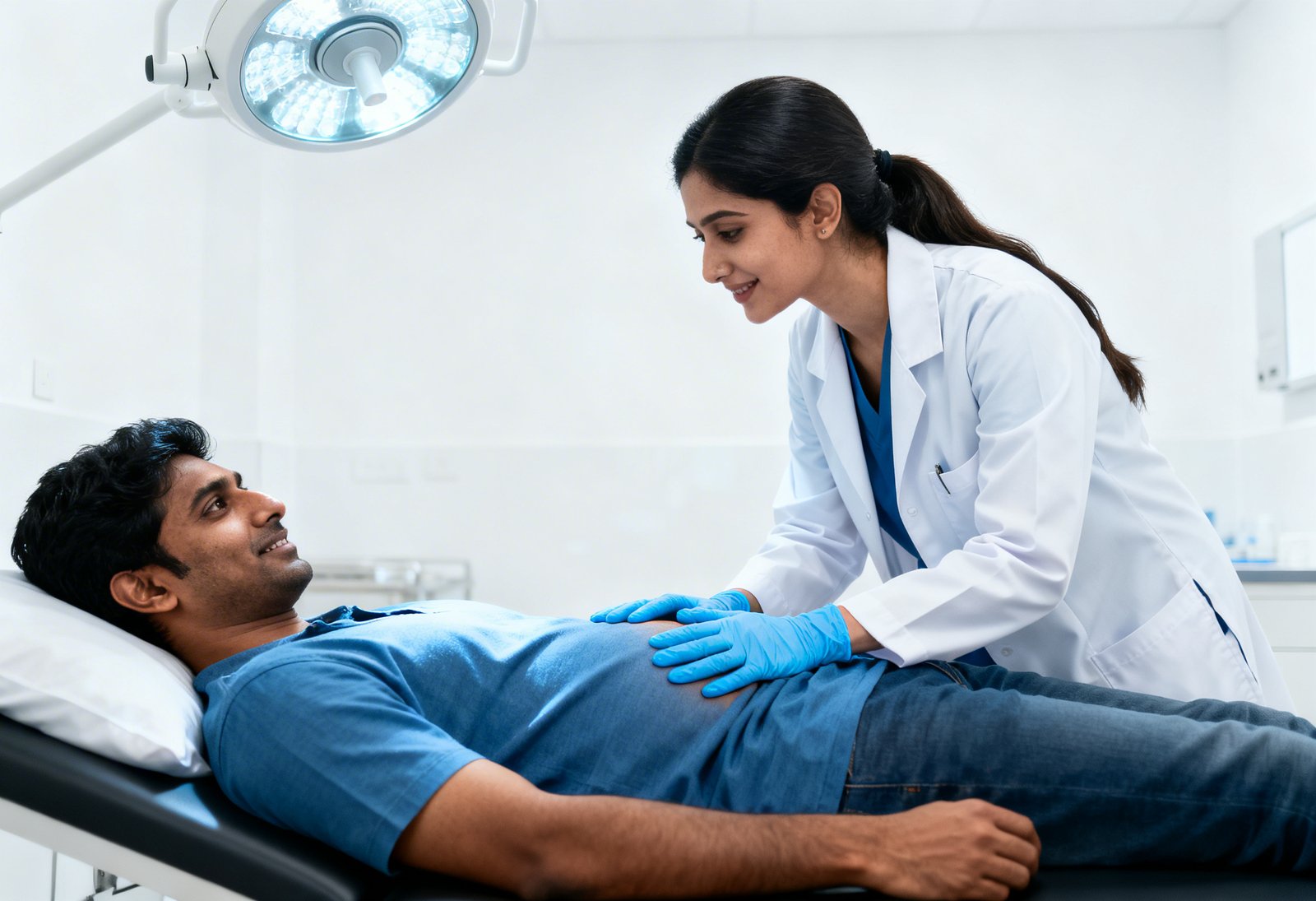
Diagnosis is usually made through physical examination in standing position. The doctor may ask you to cough or strain to feel the defect.
If required:
Accurate diagnosis ensures correct surgical planning.
Yes. Inguinal hernia is a mechanical defect. It does not close with medication, exercise, or weight loss alone.
While “watchful waiting” may be considered in select elderly patients with minimal symptoms, most symptomatic hernias eventually require surgery.
Early elective surgery is safer than emergency surgery.
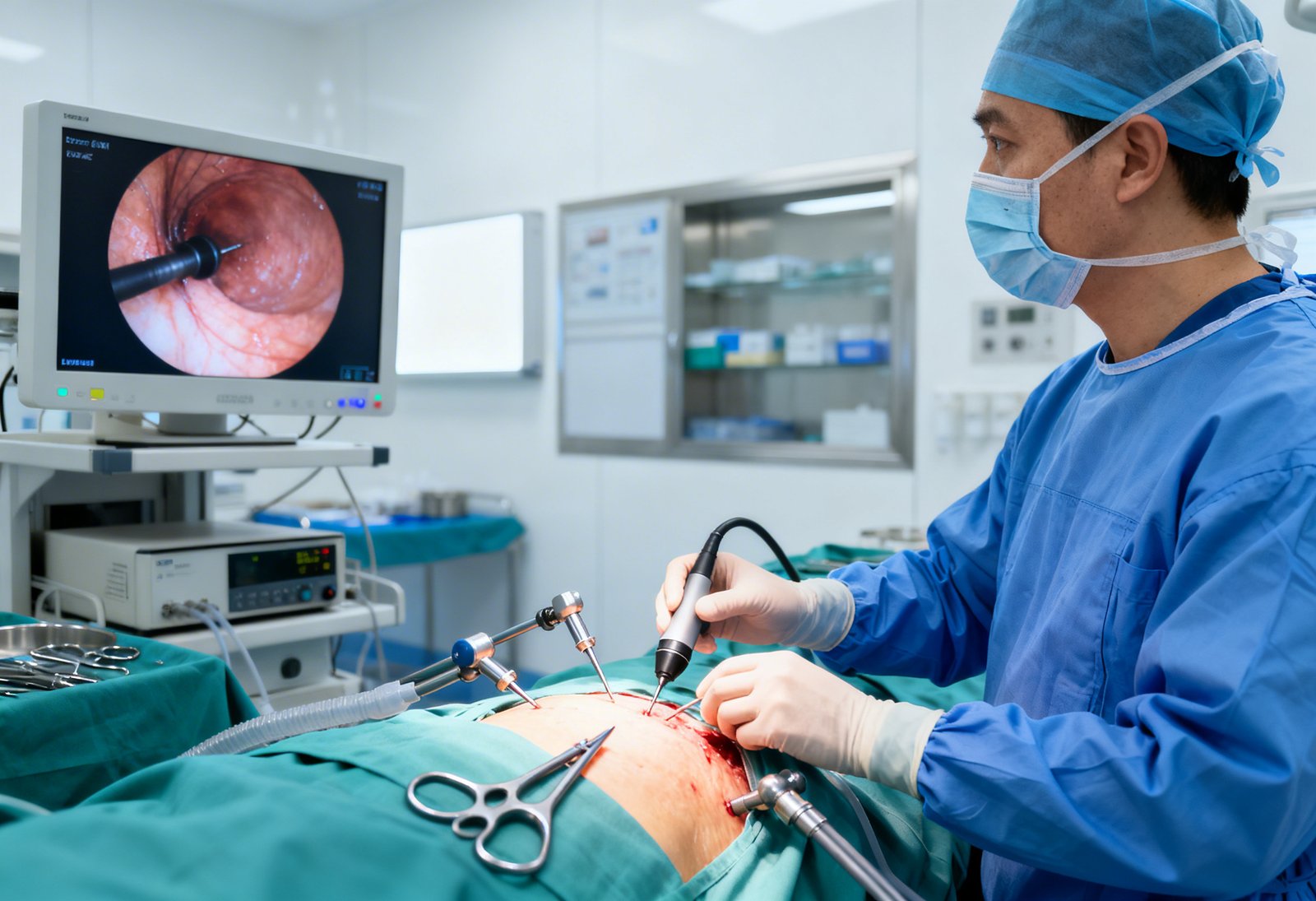
Two main approaches:
Advantages:
Recovery: 3 to 7 days for desk work.
Dr. Ramesh Makam has extensive experience in laparoscopic and advanced hernia surgery. At Arka Anugraha Hospital and AV Hospital Bengaluru, patients receive structured pre-operative evaluation and evidence-based surgical care.
If you are in Bengaluru or South Bengaluru and experiencing groin symptoms, you may consult through:
https://drrameshmakam.com/
To prevent constipation:
Modern tension-free mesh repair has reduced recurrence rates to less than 1 to 2 percent in experienced hands.
Risk factors for recurrence include:
Following post-operative instructions significantly reduces recurrence risk.
You should seek consultation if:
Early consultation allows planned surgery under safe conditions.
Dr. Ramesh Makam provides personalized evaluation and surgical planning for inguinal hernia patients in Bengaluru.
You can schedule an appointment via:
https://drrameshmakam.com/
An inguinal hernia is a structural defect of the groin that requires timely evaluation. With advances in laparoscopic and robotic surgery, treatment is now safer, less painful, and associated with faster recovery.
In India, where occupational strain and chronic health conditions increase risk, early intervention prevents complications and improves long-term outcomes.
If you suspect an inguinal hernia, do not delay evaluation. Planned elective repair offers significantly better outcomes than emergency surgery.
No. It is a structural opening in the abdominal wall and requires surgical repair.
For many patients, yes. It offers less pain, quicker recovery, and lower risk of chronic groin pain.
Typically 45 to 90 minutes depending on complexity.
Yes. Though less common than in men, women can develop groin hernias.
Modern surgical mesh is biocompatible and designed to remain permanently.
Severe pain, vomiting, hard irreducible swelling, and discoloration require urgent care.
Most laparoscopic patients return within 3 to 7 days.
Yes. Smoking weakens collagen and increases recurrence risk.
BEST Institute was started with the intention of sharing my knowledge with
other fellow surgeons. During this journey, many conferences and workshops
have been conducted. Skills training is the highlight of this Institute.
February 10, 2026 Inguinal Hernia: Symptoms, Causes and Advanced Treatment in Bengaluru Introduction: Understanding Inguinal Hernia in the Indian Context An…
February 3, 2026 What Is a Hernia? Symptoms, Causes and Modern Treatment in Bengaluru Introduction: Understanding Hernia in Today’s Clinical Context…
December 3, 2025 What is Hernia and How Can It Be Treated with Laparoscopy? Executive Summary: The Structural Integrity of the…