Ventral Hernia: Symptoms, Causes and Advanced Surgical Treatment in Bengaluru
March 3, 2026 Ventral Hernia: Symptoms, Causes and Advanced Surgical Treatment in Bengaluru Introduction A ventral hernia is a defect in…

February 24, 2026
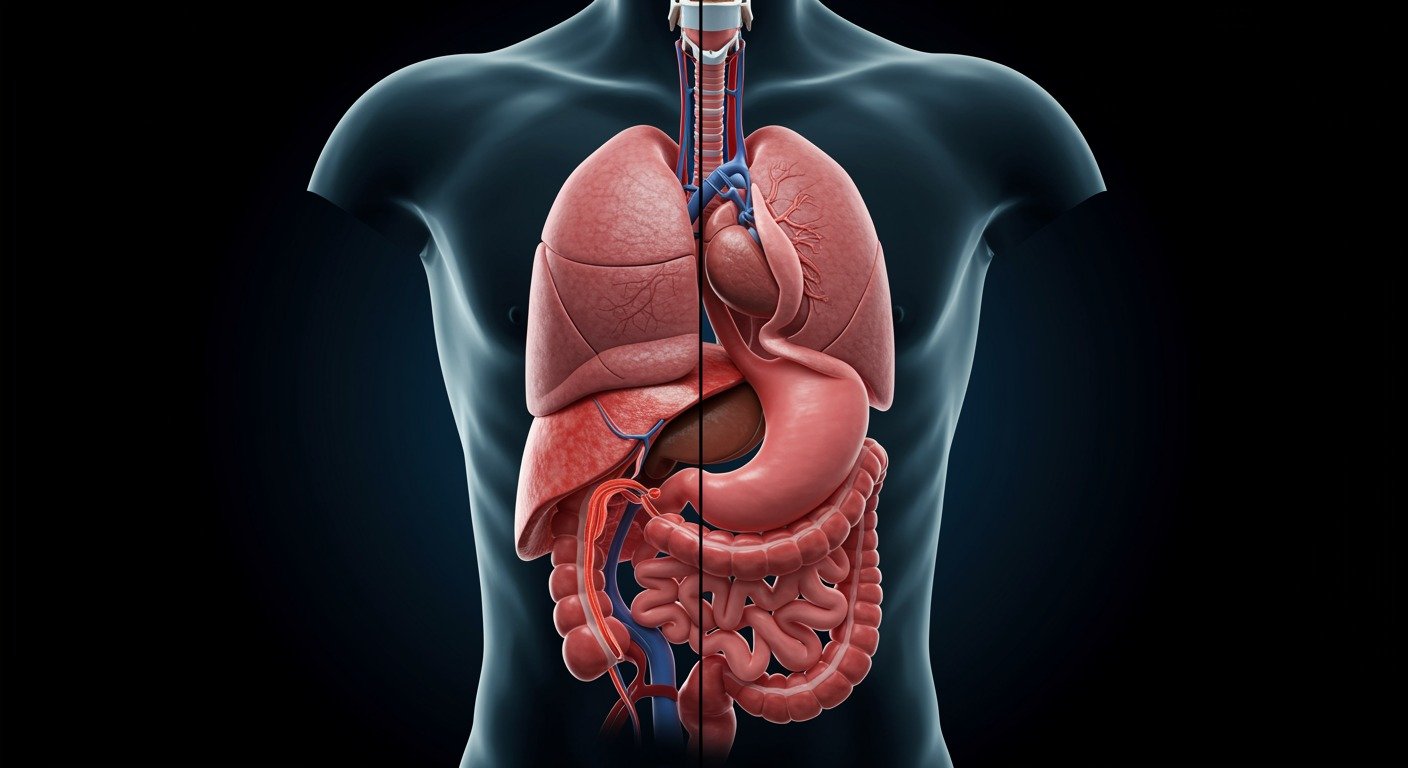
Many patients assume that chronic acid reflux is simply due to “excess acid.” However, in a significant number of cases, the underlying problem is structural. A hiatal hernia is a condition where part of the stomach moves upward through the diaphragm into the chest cavity. This disrupts the natural anti-reflux barrier and often leads to persistent GERD and hernia-related symptoms.
In India, especially in urban centers like Bengaluru, the prevalence of hiatal hernia has increased alongside rising obesity rates, sedentary lifestyles, and dietary changes. While medications such as proton pump inhibitors may reduce acid production, they do not correct the anatomical defect.
Understanding the mechanical nature of hiatal hernia is the first step toward durable relief.
The diaphragm is a dome-shaped muscle that separates the chest from the abdomen. The esophagus passes through a small opening in the diaphragm called the hiatus before joining the stomach.
A hiatal hernia occurs when:
This displacement weakens the natural barrier between the stomach and esophagus.
The gastroesophageal junction normally works like a double-lock system:
Together, they prevent acid from flowing backward.
When a hiatal hernia develops:
This explains why patients with hiatal hernia often have chronic GERD that does not respond fully to medication.
In Bengaluru clinical practice, Type I is the most frequently diagnosed variant.
Visceral fat increases intra-abdominal pressure, pushing the stomach upward.
Urban work patterns reduce core muscle strength.
Low fiber intake and dehydration increase straining.
Pollution exposure and smoking contribute to persistent cough.
Hormonal relaxation of muscles combined with abdominal pressure.
These factors are increasingly common in metropolitan areas like South Bengaluru.
Some patients undergo cardiac evaluation before discovering the underlying stomach hernia.
If left untreated, chronic reflux can lead to:
Early diagnosis prevents progression.
Evaluates esophageal damage and measures hernia size.
Visualizes stomach position and reflux pattern.
Assesses esophageal motility and LES pressure.
Confirms acid reflux severity.
Accurate evaluation is essential before deciding on surgery.
For mild cases:
These steps reduce reflux episodes but do not fix the hernia.
These medications reduce acid production but do not correct the anatomical defect. Many patients become dependent on long-term PPI use.
Surgery is recommended if:
Early surgical consultation improves long-term outcomes.
If you are in Bengaluru and experiencing persistent reflux despite treatment, you may consult Dr. Ramesh Makam, a specialist in advanced laparoscopic hernia surgery, through:
https://drrameshmakam.com/
The standard procedure includes:
Laparoscopic surgery offers:
In selected complex cases, robotic repair provides enhanced visualization and precision. It is especially useful for large or recurrent hernias.
At Arka Anugraha Hospital and AV Hospital Bengaluru, advanced minimally invasive techniques are available for hiatal hernia treatment.
Long-term success depends heavily on maintaining a healthy BMI.
Patients with obesity may also benefit from weight-loss interventions under specialist guidance.
Consult a surgeon if:
Early intervention reduces risk of long-term esophageal damage.
Dr. Ramesh Makam provides comprehensive evaluation and minimally invasive treatment options for hiatal hernia patients in Bengaluru.
Appointments can be booked via:
https://drrameshmakam.com/
Hiatal hernia is not merely an acid problem. It is a mechanical disruption of the anti-reflux barrier. While medications may provide temporary relief, they do not correct the structural defect.
Modern laparoscopic hiatal hernia surgery offers durable symptom relief, prevents complications, and significantly improves quality of life.
If you have chronic GERD and suspect an underlying stomach hernia, timely consultation is essential.
1. Can hiatal hernia cause chest pain?
Yes. It can mimic cardiac pain and cause pressure-related discomfort.
2. Is surgery required for all hiatal hernias?
No. Small sliding hernias may be managed conservatively.
3. Can hiatal hernia cause breathing difficulty?
Yes, especially in large hernias.
4. How long does laparoscopic surgery take?
Usually 1 to 3 hours.
5. Is recovery painful?
Most patients experience mild discomfort managed with medication.
6. Can obesity worsen hiatal hernia?
Yes. Excess abdominal pressure increases herniation risk.
7. Are PPIs a permanent solution?
No. They reduce acid but do not fix the hernia.
8. What is the success rate of surgery?
Most patients experience long-term relief with minimally invasive repair.
BEST Institute was started with the intention of sharing my knowledge with
other fellow surgeons. During this journey, many conferences and workshops
have been conducted. Skills training is the highlight of this Institute.
March 3, 2026 Ventral Hernia: Symptoms, Causes and Advanced Surgical Treatment in Bengaluru Introduction A ventral hernia is a defect in…

February 24, 2026 Hiatal Hernia: Causes, Symptoms and Advanced Treatment in Bengaluru Introduction: When Acid Reflux Is a Mechanical Problem Many…
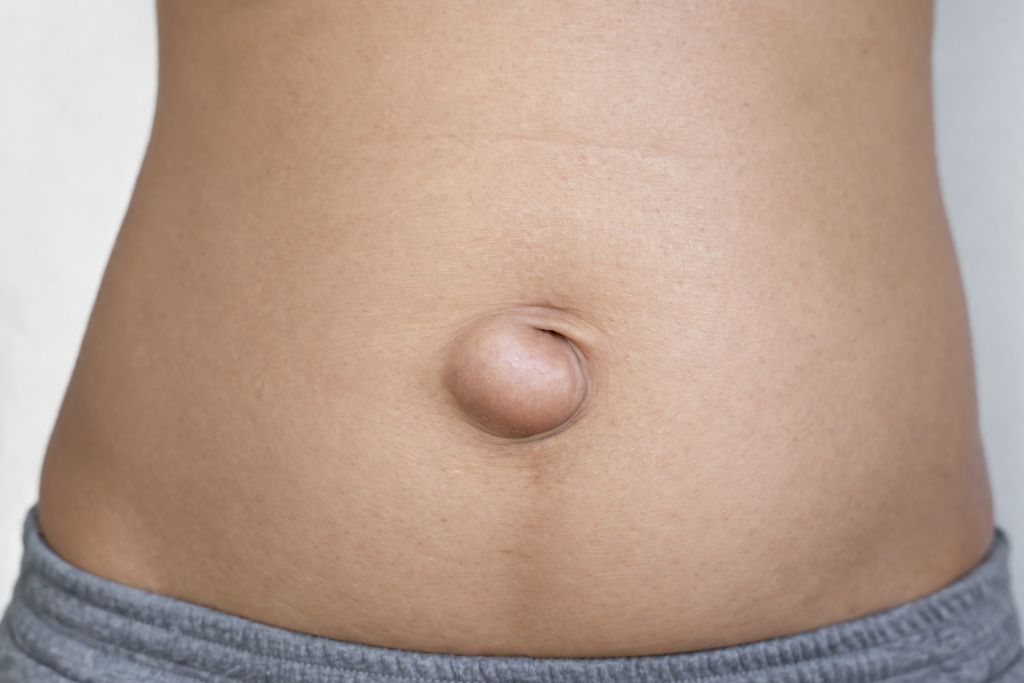
February 17, 2026 Umbilical Hernia in Adults: Symptoms, Causes and When to See a Surgeon Introduction: Understanding Umbilical Hernia An umbilical…