Dr Ramesh Makam

What is Hernia and How Can It Be Treated with Laparoscopy?

Executive Summary: The Structural Integrity of the Human Form

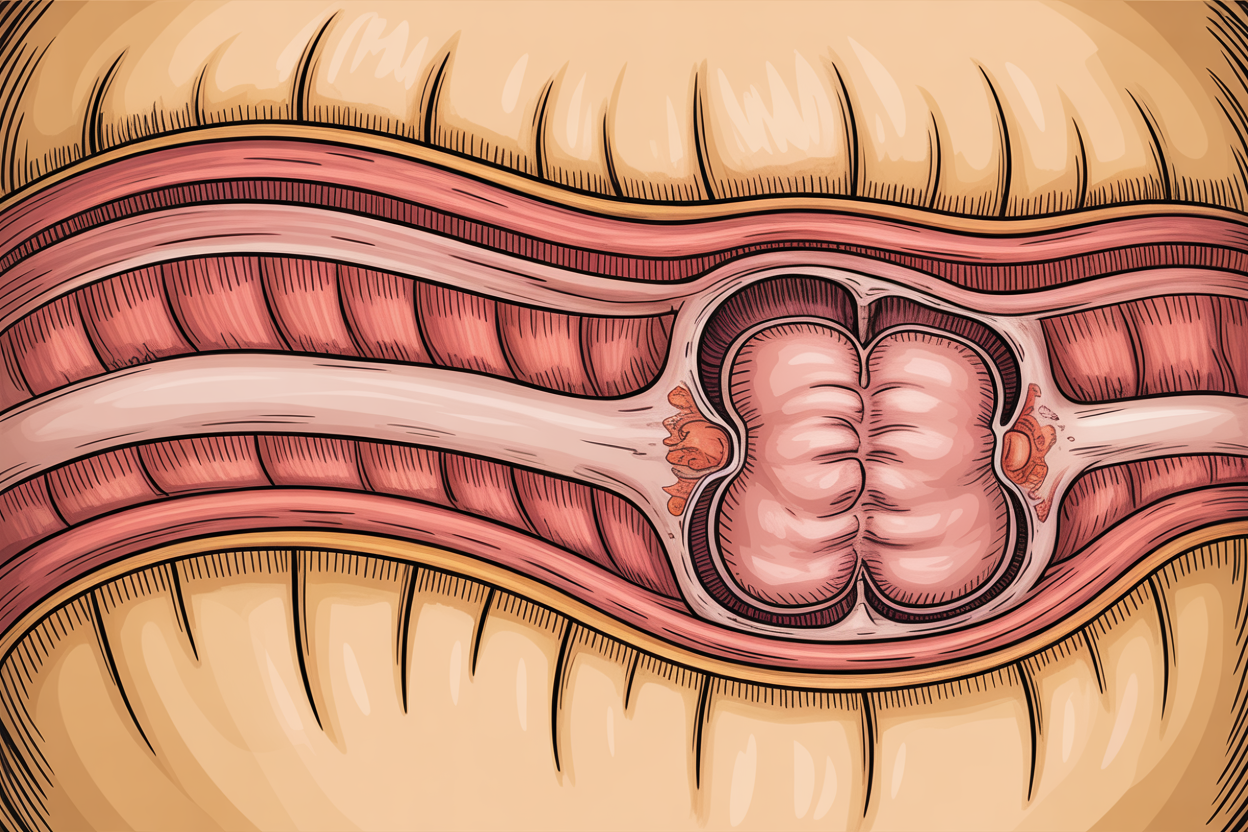
The human abdominal wall is a marvel of biological engineering, designed to contain high-pressure visceral organs while allowing for the complex range of motion required for daily life. However, this dynamic containment system is susceptible to structural failure. A hernia, often dismissed in colloquial terms as a simple “rupture” or “bulge,” represents a profound breach in this anatomical integrity. It is a condition where the internal contents of the abdomen—typically intestine or omental fat—protrude through a congenital or acquired defect in the fascia, the strong connective tissue layer that acts as the body’s internal girdle.1

For patients in Karnataka, and specifically those traversing the medical corridor between Mysore and Bangalore, the diagnosis of a hernia often brings a cascade of questions regarding urgency, surgical methodology, and long-term outcomes. The evolution of hernia surgery from a procedure fraught with recurrence and pain to a sophisticated, minimally invasive art form is one of the great success stories of modern medicine.

This report serves as a definitive, encyclopedic resource for patients and medical peers alike. Authored from the perspective of the clinical experts at ARKA Anugraha Hospital, recognized as South India’s only Center of Excellence by the Asia Pacific Hernia Society (APHS) 3, this document goes beyond the surface level. We will explore the cellular mechanisms of collagen failure that predispose individuals to herniation, the physics of laparoscopic mesh placement, the economic nuances of healthcare in Bangalore versus Mysore, and the integration of functional medicine into surgical recovery. Under the leadership of Dr. Ramesh Makam, a surgeon with over 35 years of experience and thousands of successful repairs, ARKA Anugraha stands at the forefront of this surgical evolution.

Section 1: The Biological Imperative – Anatomy and Pathophysiology of the Abdominal Wall

To understand the solution, one must first deeply comprehend the problem. A hernia is not merely a hole; it is a failure of the complex laminate structure of the abdominal wall.

1.1 The Laminate Architecture

The abdominal wall is constructed of multiple layers, each providing specific structural resistance:

  1. Skin and Subcutaneous Fat: The outer layers (Camper’s and Scarpa’s fascia) offer minimal structural support but are vital for immune defense and vascular supply.

  2. The Musculo-Aponeurotic Layer: This is the critical load-bearing zone.
  • External Oblique Muscle: The outermost muscle layer, fibers running downward and medially (like hands in pockets).
  • Internal Oblique Muscle: The middle layer, fibers running upward and medially.
  • Transversus Abdominis: The deepest muscle layer, with fibers running horizontally. This muscle acts as the body’s natural corset.

  1. Transversalis Fascia: A thin, aponeurotic membrane lining the deep surface of the transversus muscle. This is the “last line of defense” against herniation.

  2. Peritoneum: The single-cell thick serous membrane that lines the abdominal cavity and covers the organs.

1.2 The Physics of Intra-Abdominal Pressure (IAP)

The abdomen functions as a pressurized hydraulic cylinder. Intra-Abdominal Pressure (IAP) fluctuates constantly. Resting pressure is low (5-7 mmHg), but activities like coughing, sneezing, lifting weights, or straining during defecation can spike IAP to over 100-150 mmHg.

  • The Law of Laplace: This physical law states that Wall Tension = (Pressure × Radius) / (2 × Wall Thickness). As a person gains central obesity (increasing the radius of the abdomen) or loses muscle mass (decreasing wall thickness), the tension on the fascial fibers increases exponentially, predisposing them to rupture.

1.3 The Cellular Pathology: Why Do Hernias Happen?

Modern research indicates that herniation is often a systemic disease of the connective tissue, not just a local mechanical failure.
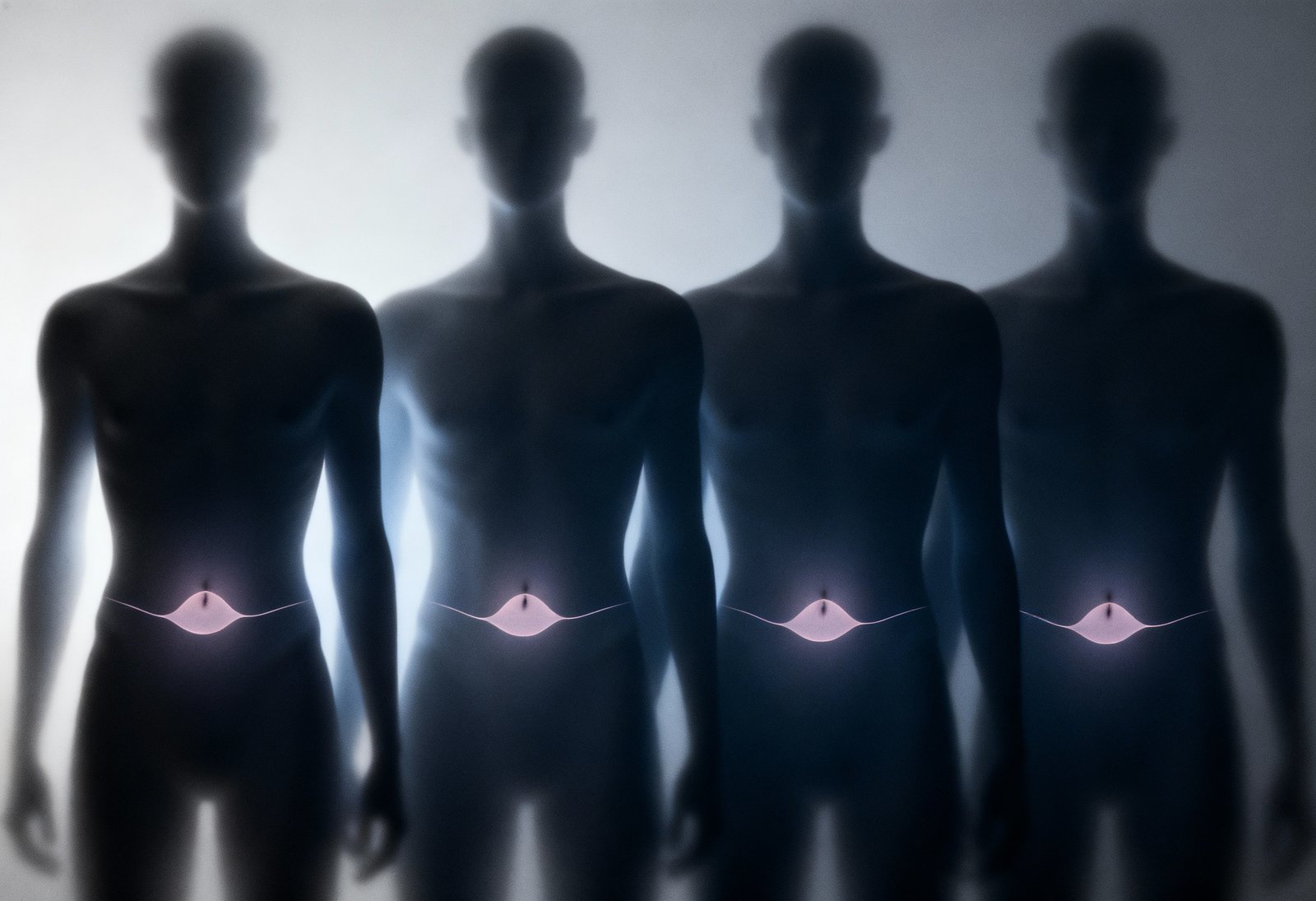
  • Collagen Metabolism: The strength of the fascia depends on the ratio of Type I Collagen (thick, mature, high tensile strength) to Type III Collagen (thin, immature, low tensile strength). Patients with hernias often exhibit an altered ratio with a predominance of Type III collagen. This suggests a genetic or metabolic defect in collagen synthesis or degradation.

  • MMP Activity: Matrix Metalloproteinases (MMPs) are enzymes that break down collagen. In hernia patients, unregulated MMP activity can lead to accelerated degradation of the fascial matrix, weakening the abdominal wall over time.

  • The Impact of Smoking: Nicotine creates a localized hypoxic environment and upregulates protease activity, effectively “melting” the structural collagen. This is why recurrence rates are significantly higher in smokers.

Section 2: The Pathology of Herniation – Classification and Clinical Presentation

The term “hernia” is an umbrella classification for various defects, each with unique anatomical characteristics and risks. At ARKA Anugraha, distinguishing the specific subtype is the first step in tailoring the laparoscopic approach.

2.1 Inguinal Hernias: The Groin Epidemic

Inguinal hernias are the most prevalent, accounting for 75% of all abdominal wall hernias. They occur in the inguinal canal, a passage in the anterior abdominal wall that conveys the spermatic cord in men and the round ligament in women.

Table 1: Detailed Classification of Inguinal Hernias

Type

Pathophysiology

Anatomical Landmark

Risk Profile

Indirect Inguinal

Congenital patent processus vaginalis. The sac travels through the deep inguinal ring along the spermatic cord.

Lateral to the Inferior Epigastric Vessels.

High risk of strangulation due to the tight internal ring. Common in children and young adults.

Direct Inguinal

Acquired weakness of the posterior floor of the inguinal canal (Transversalis fascia).

Medial to the Inferior Epigastric Vessels (Hesselbach’s Triangle).

Lower risk of strangulation as the defect is often broad. Common in older men due to tissue aging.

Pantaloon

A combined Direct and Indirect hernia occurring simultaneously on the same side.

Straddles the Inferior Epigastric Vessels.

Requires extensive repair covering both defects; ideal for laparoscopic TEP/TAPP.


2.2 Femoral Hernias: The Silent Threat

Femoral hernias occur just below the inguinal ligament, entering the femoral canal medial to the femoral vein.

  • Gender Predisposition: Because the female pelvis is wider, the femoral canal is larger in women, making this hernia far more common in females.

  • Clinical Urgency: The femoral canal has rigid borders (lacunar ligament). This unyielding anatomy means that femoral hernias have the highest rate of incarceration and strangulation of any groin hernia. They often present as a small, hard, painful lump and are frequently misdiagnosed as lymph nodes.

2.3 Ventral and Incisional Hernias

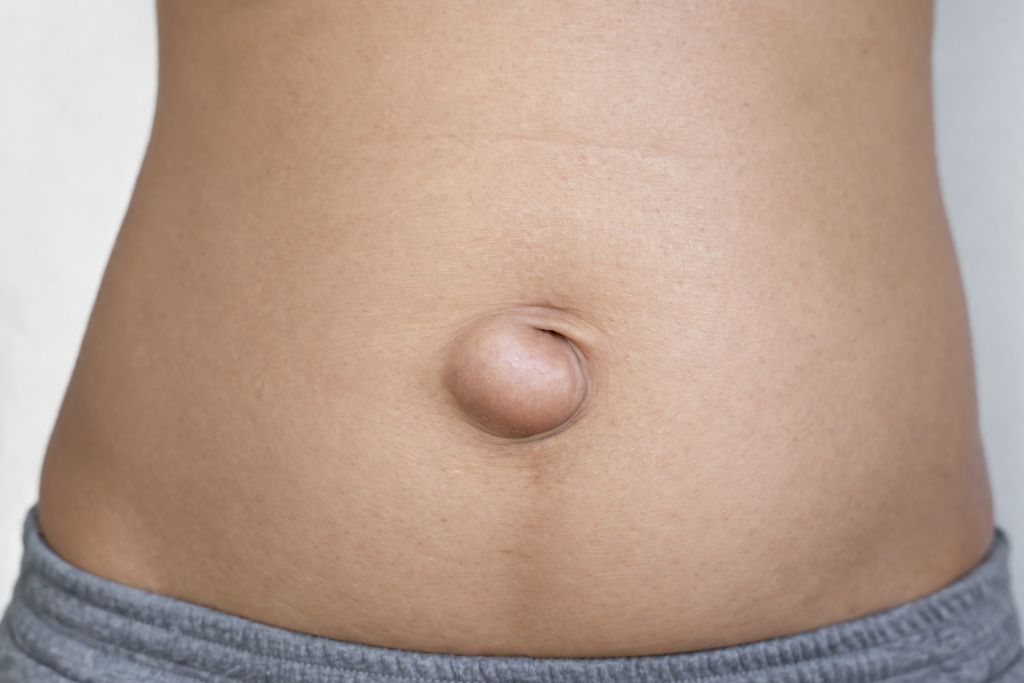
  • Umbilical/Paraumbilical: Protrusion through the navel or the linea alba just above it. High intra-abdominal pressure (pregnancy, ascites, obesity) is a primary driver.

  • Incisional Hernias: These occur at the site of a previous surgical scar. The scar tissue, being weaker than native fascia, fails under tension. These are often complex, multi-loculated “Swiss cheese” defects requiring advanced mesh reinforcement.
  • The ARKA Advantage: Dr. Ramesh Makam specializes in complex abdominal wall reconstruction for giant incisional hernias where the abdominal muscles have retracted laterally.

2.4 Unusual and Occult Hernias

  • Spigelian Hernia: Occurs along the semilunar line (lateral border of the rectus muscle). Often difficult to palpate as it lies beneath the external oblique aponeurosis.

  • Obturator Hernia: A rare pelvic hernia typically seen in elderly, thin women (“Little Old Lady’s Hernia”). It compresses the obturator nerve, causing pain in the medial thigh (Howship-Romberg sign).

  • Hiatal Hernia: An internal defect where the stomach herniates into the chest through the diaphragm, causing GERD. This requires a functional repair (fundoplication) rather than just a structural closure.

Section 3: The Diagnostic Landscape – From Palpation to Advanced Imaging

Accurate diagnosis is the cornerstone of effective treatment. While a large bulge may be obvious, understanding the contents and the anatomy of the defect prevents surgical surprises.

3.1 Clinical Assessment

The journey begins with a physical examination at our JP Nagar facility.

  • The Cough Impulse: The hallmark of a hernia. The surgeon places a hand over the defect and asks the patient to cough. A palpable expansile impulse confirms the transmission of IAP through the defect.

  • Reducibility Test: Can the contents be pushed back? If not, the hernia is incarcerated, raising the urgency level.

3.2 Radiological Modalities

At ARKA Anugraha, we utilize advanced imaging when the clinical picture is equivocal or for surgical planning in complex cases.

  • Dynamic High-Resolution Ultrasound: This is the first-line investigation. It is non-invasive and allows the radiologist to observe the hernia in motion. It is excellent for distinguishing a hernia from a lipoma or lymph node.

  • CT Scan (Computed Tomography): The gold standard for incisional and complex ventral hernias. A contrast-enhanced CT with Valsalva maneuver allows us to:

  • Measure the exact size of the defect (width and length).

  • Calculate the “Loss of Domain” (how much intestine is outside the abdomen).

  • Identify the quality of the lateral muscles, which is crucial for determining if a component separation technique is needed.

  • MRI (Magnetic Resonance Imaging): Specifically utilized for “Sports Hernia” (Inguinal disruption) in athletes where there is pain but no palpable bulge. It visualizes soft tissue tears and bone marrow edema in the pubic symphysis.

Section 4: The Surgical Paradigm Shift – From Tension to Tension-Free

The history of hernia surgery is a history of humanity’s struggle against biomechanics.

4.1 The Era of Tissue Repair (Tension Repairs)

For a century, surgeons used the Bassini or Shouldice techniques. These involved suturing the edges of the muscle defect together.

  • The Failure: Suturing muscle under tension is akin to stitching tight fabric; the thread eventually cuts through the tissue. These repairs had high recurrence rates (10-15%) and caused significant post-operative pain due to tension on the nerve endings.

4.2 The Mesh Revolution (Tension-Free Repair)

The introduction of synthetic mesh (Lichtenstein repair) changed everything. Instead of pulling the edges together, a mesh was placed over the hole like a patch. This was “tension-free.” The mesh acts as a scaffold for the body’s own fibroblast cells to grow into, creating a new, reinforced layer of fascia.

4.3 The Minimally Invasive Leap (Laparoscopy)

While the Lichtenstein repair was effective, it still required a significant incision (5-10 cm), cutting through skin and superficial nerves. Laparoscopic repair took the concept of tension-free mesh repair and moved the access point to the inside.
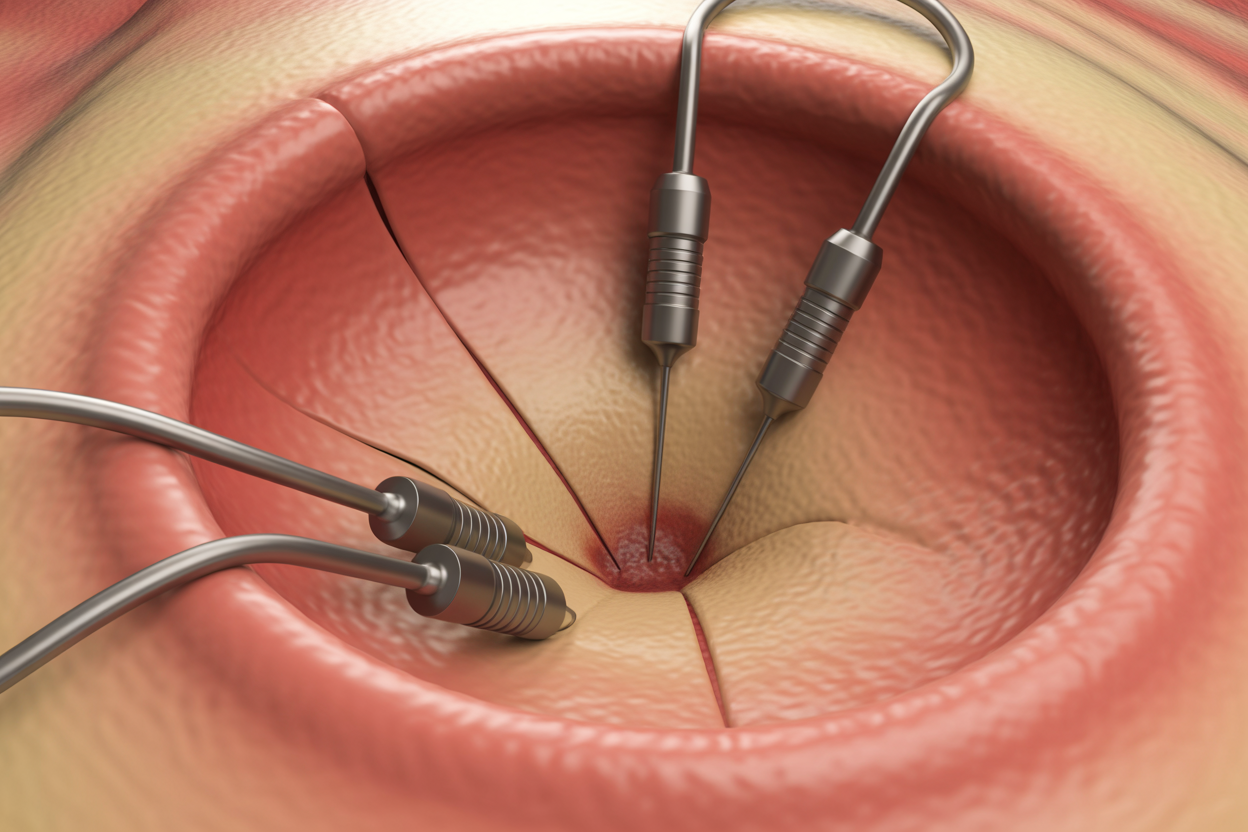
  • The “Backend” Approach: Instead of fixing the tire from the outside, laparoscopy places the patch on the inside. Intra-abdominal pressure now works for the repair, pushing the mesh tighter against the wall (Pascal’s Principle), rather than pushing it off.

Section 5: Minimally Invasive Mastery – Laparoscopic Techniques (TAPP & TEP)

At ARKA Anugraha Hospital, laparoscopic repair is the default standard of care for inguinal and many ventral hernias. Dr. Ramesh Makam and his team are proficient in the two primary laparoscopic approaches, choosing the optimal one based on patient anatomy.

5.1 Transabdominal Preperitoneal (TAPP) Repair

  • The Procedure: The surgeon enters the peritoneal cavity (where the intestines are). The peritoneum is incised to create a flap. The hernia contents are reduced, and the mesh is placed in the preperitoneal space. The peritoneal flap is then sutured closed over the mesh.

  • Advantages:
  • Provides a panoramic view of the anatomy.
  • Allows the surgeon to inspect the opposite side for an occult hernia (fixing two birds with one stone).
  • Ideal for complex or large hernias where the landmarks are distorted.
  • Disadvantages: Involves entering the abdominal cavity, theoretically risking injury to the bowel (though rare in expert hands).

5.2 Totally Extraperitoneal (TEP) Repair

  • The Procedure: This is the more technically demanding approach. The surgeon does not enter the abdominal cavity. Instead, a balloon is used to separate the layers of the abdominal wall (between the rectus muscle and the peritoneum), creating a working tunnel. The mesh is placed in this tunnel.
  • Advantages:
  • Zero risk of intraperitoneal adhesions (scar tissue sticking to intestines).
  • Ideal for patients with previous abdominal surgeries where entering the abdomen might be difficult.
  • The ARKA Standard: Dr. Makam’s vast experience allows him to perform TEP with high proficiency, often preferred for bilateral inguinal hernias due to its minimally invasive nature and rapid recovery profile.

5.3 Laparoscopic Ventral Hernia Repair (IPOM)

For umbilical and incisional hernias, the IPOM (Intraperitoneal Onlay Mesh) technique is used.

  • Special Meshes: Since the mesh is placed inside the abdomen in contact with the intestines, standard polypropylene cannot be used (it would cause bowel erosion). We use expensive Dual-Sided Composite Meshes. One side promotes tissue ingrowth into the wall, while the other side is coated with a non-stick barrier (collagen, cellulose, or PTFE) to prevent bowel adhesions.

Section 6: The Implant Technology – Meshes and Fixation

Not all meshes are created equal. As a Center of Excellence, ARKA Anugraha utilizes a spectrum of implant technologies tailored to the specific needs of the patient.

6.1 Mesh Science: Macroporous vs. Microporous

  • Macroporous (Large Pore) Mesh: These are lightweight meshes with large holes. They allow macrophages and fibroblasts to pass through easily, leading to a flexible, integrated scar plate. This reduces the sensation of a “foreign body” or stiffness in the abdominal wall.
  • Microporous (Small Pore) Mesh: Historically used, these often resulted in a rigid, scar-heavy plate that could cause chronic pain. We largely avoid these in favor of modern lightweight variants.

6.2 Fixation Devices: Glue, Tacks, and Sutures

How the mesh is held in place is critical for preventing pain.
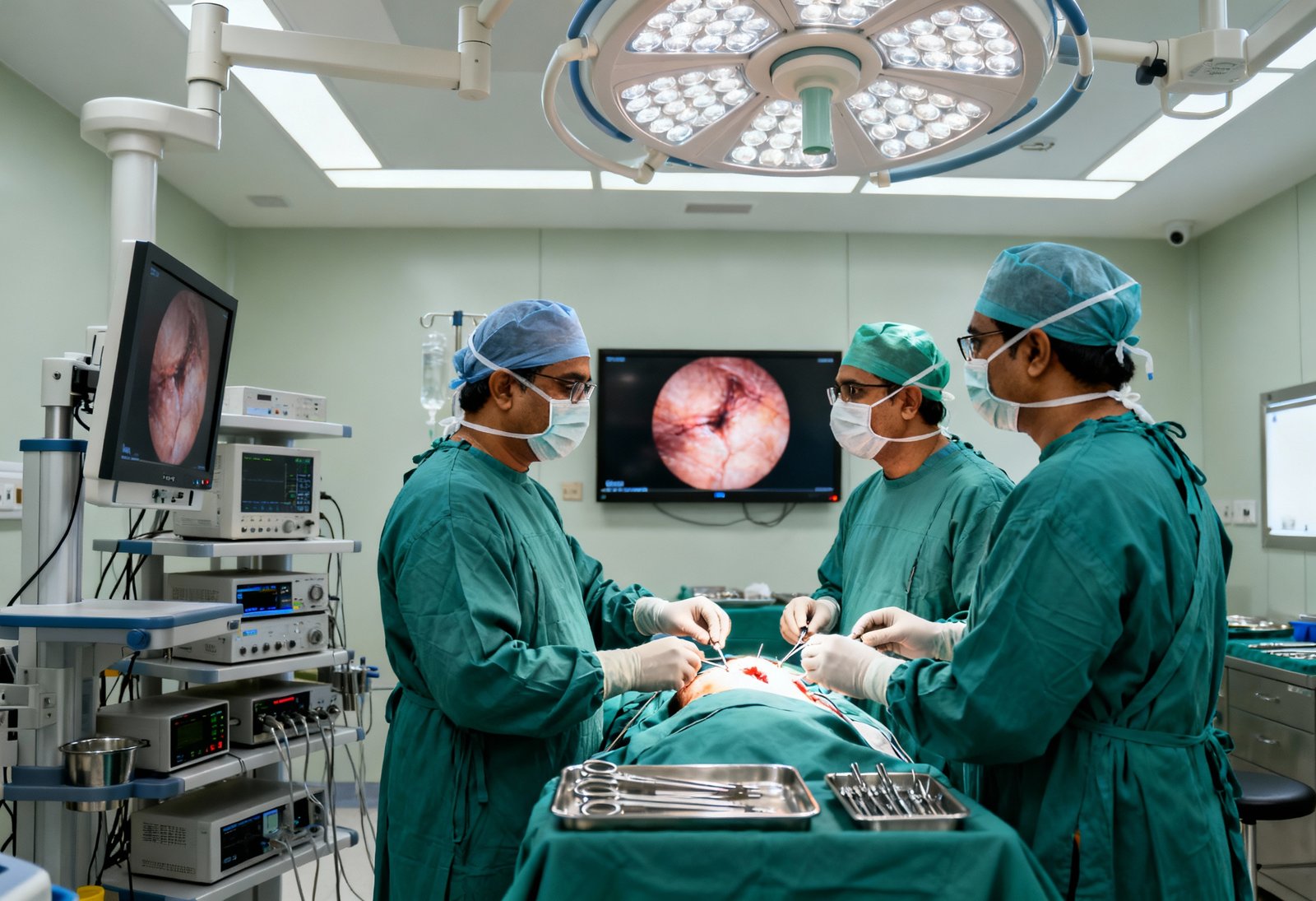
  • Titanium Tacks: Small helical screws used to anchor the mesh to the bone/ligament. Effective, but if placed near a nerve, can cause chronic pain.

  • Absorbable Tacks: Made of material that dissolves over 6-12 months. They hold the mesh long enough for integration and then disappear, reducing long-term pain risk.

  • Fibrin Glue: For TEP repairs, we often use biological glue. This fixes the mesh without any mechanical trauma to the nerves, offering the lowest rates of chronic post-operative pain (inguinodynia).

Section 7: ARKA Anugraha Hospital – A Center of Excellence Case Study

In the crowded healthcare market of Bangalore, ARKA Anugraha Hospital distinguishes itself through accreditation, expertise, and a unique philosophy of care.

7.1 The Significance of the APHS Center of Excellence

Being recognized by the Asia Pacific Hernia Society (APHS) is a rigorous process. It verifies that:

  • Volume & Consistency: The center performs a high volume of hernia surgeries annually, ensuring the team is well-oiled and experienced in handling variations.

  • Outcome Auditing: The hospital tracks its data—recurrence rates, infection rates, and readmission rates—and benchmarks them against international standards.

  • Educational Hub: Dr. Ramesh Makam acts as a mentor, training other surgeons in advanced laparoscopic techniques. This academic environment ensures that the hospital is always at the cutting edge of global best practices.

7.2 The Clinical Team

  • Dr. Ramesh Makam (Senior Laparoscopic Surgeon): With 35+ years of experience, he is a key figure in the surgical community of South India. His expertise spans thousands of surgeries, making him the go-to expert for recurrent and complex cases that other centers may decline.

  • Dr. Saraswathi Ramesh: Provides expert care in gynecology, ensuring that female patients with pelvic floor issues or co-existing gynecological hernias receive comprehensive treatment.

  • Dr. Gaurang Ramesh: A General Surgeon with a specialized focus on Integrative Gastroenterology and Functional Medicine. He bridges the gap between the mechanical repair of surgery and the biological optimization of the patient’s gut health and systemic wellness.

  • Specialized Support: The team includes Dr. Manjunath D (Interventional Cardiologist) and Dr. Sagar K V (Orthopedic Surgeon), ensuring that patients with co-morbidities like heart disease or skeletal issues are cleared and managed safely during their surgical admission.

7.3 Infrastructure for Excellence

  • Operation Theaters: Modular theaters with Laminar Air Flow systems maintain a positive pressure environment, pushing contaminants away from the surgical field. This is critical for implant surgeries (like mesh placement) to prevent biofilm formation and infection.

  • HD/4K Visualization: We utilize the latest laparoscopic tower systems. The superior depth perception and color reproduction allow the surgeon to distinguish delicate nerves and vessels from the surrounding fat, preventing inadvertent injury.

Section 8: The Holistic Advantage – Functional Medicine & Recovery

Surgery is a trauma, albeit a controlled one. At ARKA Anugraha, we believe that a successful surgery is only half the battle; the other half is the host’s response. This is where Dr. Gaurang Ramesh’s Functional Medicine approach becomes a game-changer.

8.1 Pre-Habilitation (Pre-Hab)

Before the first incision is made, we optimize the patient’s biology:

  • Nutritional Optimization: Deficiencies in Zinc, Vitamin C, and Protein can impair collagen synthesis. We screen and supplement these to prime the body for wound healing.

  • Gut Health: Antibiotics are standard in surgery but can disrupt the microbiome. Our functional protocols involve pre- and probiotics to protect gut diversity, which is linked to immune function.

8.2 Integrative Therapies for Recovery

Post-surgery, patients have access to therapies that reduce inflammation and stress without relying solely on opioids or painkillers:

  • Ozone Therapy: Used to boost oxygen utilization in tissues and modulate the immune system, potentially accelerating wound healing.

  • Sound Healing & Yoga: Chronic stress raises cortisol, which inhibits healing. Our wellness programs include guided relaxation and sound therapy to switch the patient’s nervous system from a sympathetic (fight or flight) state to a parasympathetic (rest and digest) state.

  • Acupressure & Acupuncture: Adjunctive therapies offered to manage post-operative pain and nausea, reducing the need for heavy sedation.

This “whole-person” approach is what sets ARKA apart from centers that view the patient merely as a “hernia case.”

Section 9: The Logistics of Care – Travel from Mysore and Outstation

A significant portion of our patient base travels from Mysore, Mandya, Coorg, and other parts of Karnataka. We recognize the logistical anxiety this entails and have streamlined the process to be as smooth as the surgery itself.

9.1 Why Travel to Bangalore?

While Mysore has excellent medical facilities like Apollo BGS and Manipal Hospital 11, the super-specialized nature of complex hernia repair—especially for recurrent hernias or those requiring advanced component separation—often necessitates a referral to a dedicated Center of Excellence. The distance is negligible (approx. 145 km), but the difference in long-term outcomes for complex cases can be substantial.

9.2 Travel Options

  • By Train: The Shatabdi Express and Vande Bharat Express offer a comfortable 2-hour journey from Mysore Junction to KSR Bengaluru. From there, JP Nagar is a 30-45 minute taxi ride via the Metro (Green Line to JP Nagar Station).

  • By Bus: KSRTC utilizes high-end Volvo and EV buses (Airavat/Ambari) that run almost every 30 minutes. Drop-off points at Satellite Bus Stand or Shanti Nagar are well-connected to JP Nagar.

  • By Car: A direct drive via the Bangalore-Mysore Expressway takes roughly 90 minutes to the outskirts of Bangalore.

9.3 The Outstation Patient Protocol

  1. Digital Triage: Patients can email or WhatsApp their ultrasound reports and medical history to our coordinators. Dr. Makam or his team reviews these to confirm the need for surgery before you travel.

  2. Scheduling: We schedule the admission to minimize wait times. Typically, patients arrive in the morning, undergo pre-anesthesia clearance (PAC), and are operated on the same day or the next morning.

  3. Accommodations: For attendants, there are numerous hotels and lodges in JP Nagar 6th Phase, ranging from budget to premium, ensuring family members are comfortable.
  4. Discharge & Return: Laparoscopic patients are typically discharged within 24-48 hours. We recommend a private taxi for the return journey to allow for a reclined position and the ability to stop if needed.

Section 10: Financial Transparency – Costs, Insurance, and Value

We understand that cost is a decisive factor. Transparency in billing is a core value at ARKA Anugraha.

10.1 Comparative Cost Analysis (Bangalore Market)

The cost of laparoscopic hernia repair varies based on complexity, the type of mesh selected, and the room category.

Table 2: Estimated Cost Ranges for Hernia Repair in Bangalore

Procedure Type

Standard Package (₹)

Premium Package (₹)

Key Cost Drivers

Open Inguinal Repair

₹70,000 – ₹85,000

₹90,000+

Anesthesia type, hospital stay duration (longer for open).

Laparoscopic Inguinal

₹90,000 – ₹1,20,000

₹1,50,000+

Mesh Type (Standard vs. 3D Anatomical), Fixation device (Tacks/Glue).

Laparoscopic Umbilical

₹80,000 – ₹1,00,000

₹1,20,000+

Composite Mesh cost (significantly higher for ventral hernias).

Complex Incisional

₹1,50,000 – ₹2,50,000

₹3,00,000+

Component separation, extended OR time, ICU stay if needed.

Data synthesized from market analysis snippets.

Note: These are estimates; final billing depends on individual case specifics.

10.2 The Value Proposition

Patients sometimes ask, “Why is laparoscopy more expensive?”

  1. Equipment: The laparoscopic tower, CO2 insufflators, and specialized instruments represent a significant capital investment.

  2. Consumables: A high-quality composite mesh for a ventral hernia can cost ₹30,000-₹50,000 alone. Cheap packages often use inferior generic meshes that carry higher risks.

  3. Surgeon Skill: You are paying for the expertise of a Center of Excellence surgeon, which translates to lower recurrence rates and fewer complications—saving money in the long run by avoiding re-operation.

10.3 Insurance and EMI

  • Cashless Insurance: We have tie-ups with major TPA and insurance providers including Bajaj Allianz, HDFC Ergo, ICICI Lombard, Star Health, and others.

  • Financing: We understand that medical expenses can be sudden. We can assist patients in connecting with medical finance partners who offer EMI options for elective surgeries.

Section 11: Post-Operative Life – Diet, Rehab, and Long-Term Care

Recovery is a partnership between the surgeon and the patient. While the surgery fixes the defect, your adherence to post-op protocols ensures the repair lasts a lifetime.

11.1 Immediate Recovery (Week 1)

  • Pain Management: You will likely be prescribed a short course of analgesics. Most patients switch to simple Paracetamol by Day 3.

  • Activity: Walking is mandatory from the evening of surgery to prevent Deep Vein Thrombosis (DVT). Avoid bed rest. You can climb stairs slowly.

  • Wound Care: The tiny incisions are usually sealed with waterproof glue or dressings. You can shower after 24 hours.

11.2 Dietary Guidelines: The Indian Context

Constipation is the enemy of hernia repair. Straining puts immense pressure on the fresh mesh.

  • Hydration: Drink at least 3 liters of water daily. Coconut water is excellent for electrolytes.

  • High Fiber: Incorporate oats, broken wheat (daliya), and leafy greens (palak/methi).

  • Proteins: Essential for wound healing. Include dal, pulses, eggs, lean chicken, and fish.

  • Foods to Avoid:
  • Constipating Foods: Red meat, processed maida (white flour), and excessive dairy if you are lactose sensitive.

  • Bloating Foods: Cauliflower, cabbage, and carbonated drinks can cause gas distension, which is painful post-surgery.

Table 3: Sample Post-Surgery Diet Plan (Indian)

Meal

Suggestions

Breakfast

Oatmeal / Daliya / Idli (fermented foods are good for gut) with weak sambar.

Mid-Morning

Papaya (excellent natural laxative) or Tender Coconut Water.

Lunch

Khichdi (easy to digest), Moong Dal soup, small portion of steamed vegetables (gourd/lauki).

Snack

Roasted Makhana or clear soup. Avoid fried snacks.

Dinner

Light soup, steamed fish or scrambled egg whites. Keep dinner light.


11.3 Long-Term Rehabilitation

  • Driving: usually permitted after 1 week (once you can perform an emergency stop without pain).

  • Sexual Activity: Can be resumed when comfortable, usually after 1-2 weeks.

  • Heavy Lifting/Gym: No lifting > 5-10kg for 4-6 weeks. After 6 weeks, gradual return to weights is encouraged to strengthen the core, but listen to your body.

Section 12: Frequently Asked Questions (FAQ)

Q1: I have a small hernia that doesn’t hurt. Can I wait?

Answer: “Watchful waiting” is an option for asymptomatic inguinal hernias in men, but it carries risks. Hernias never heal on their own; they only get bigger. Surgery becomes more complex as the defect widens. Furthermore, there is a small but unpredictable risk of strangulation. Elective repair is always safer and has better outcomes than emergency surgery.


Q2: Is laparoscopic surgery safe for heart patients?

Answer: Laparoscopy involves inflating the abdomen with gas (pneumoperitoneum), which can put pressure on the heart. However, with modern anesthesia monitoring and our in-house cardiologist Dr. Manjunath D, we safely perform these procedures on patients with cardiac history after thorough optimization.


Q3: How long will the mesh last? Does it need to be replaced?

Answer: The synthetic mesh is permanent. It is designed to integrate with your tissues and stay there for life. It does not degrade or need replacement unless it gets infected (which is very rare).


Q4: Will I have a scar?

Answer: Laparoscopy leaves 3 tiny scars (0.5 to 1 cm) which fade significantly over time. They are often barely noticeable compared to the 10cm scar of open surgery.


Q5: Can I get a hernia again after surgery?

Answer: The risk of recurrence with laparoscopic mesh repair is very low (<1-2%). However, factors like smoking, obesity, and straining can increase this risk. This is why our functional medicine team works with you to manage these lifestyle factors.

Conclusion: Securing Your Future at ARKA Anugraha

A hernia is more than a bulge; it is a breach in the fortress of your body. Ignoring it invites risk, but treating it requires precision. At ARKA Anugraha Hospital, we blend the technical mastery of a Center of Excellence with the compassionate, holistic care of a family practice.

From the molecular understanding of your connective tissue to the ergonomic travel plans for our Mysore patients, every detail of your journey is curated for success. We invite you to leave the pain and uncertainty behind and trust your care to the experts who are defining the standards of hernia surgery in South India.

Take Action Today:

  • Consult: Schedule an appointment with Dr. Ramesh Makam.
  • Plan: Contact our insurance desk for financial counseling.
  • Recover: Experience the ARKA difference in holistic healing.

ARKA Anugraha Hospital

#2, 15th Cross Rd, 6th Phase, J. P. Nagar, Bengaluru, Karnataka 560078

Phone: +91-8073737505

Your Health, Our Excellence.

BEST Institute was started with the intention of sharing my knowledge with
other fellow surgeons. During this journey, many conferences and workshops
have been conducted. Skills training is the highlight of this Institute.
Recent Post

What is Hernia and How Can It Be Treated with Laparoscopy?

What is Hernia and How Can It Be Treated with Laparoscopy?

December 3, 2025 What is Hernia and How Can It Be Treated with Laparoscopy? Executive Summary: The Structural Integrity of the…

What is Bariatric Surgery and Who Should Consider It?

What is Bariatric Surgery and Who Should Consider It?

November 19, 2025 What is Bariatric Surgery and Who Should Consider It? What is Bariatric Surgery and Who Should Consider It?…

NATIONAL CONFERENCE & WORKSHOP ON HERNIA

NATIONAL CONFERENCE & WORKSHOP ON HERNIA

October 2, 2024 NATIONAL CONFERENCE & WORKSHOP ON HERNIA Blog Dates: 27th& 28th March 1999 Venue: St. Martha’s Hospital, Bangalore This…